How to Style Plants on Shelves (Without It Looking Cluttered)
A simple step-by-step method for styling plants on open shelves and bookcases: picking plants for the light, mixing heights, adding handmade pieces and keeping it easy to water.
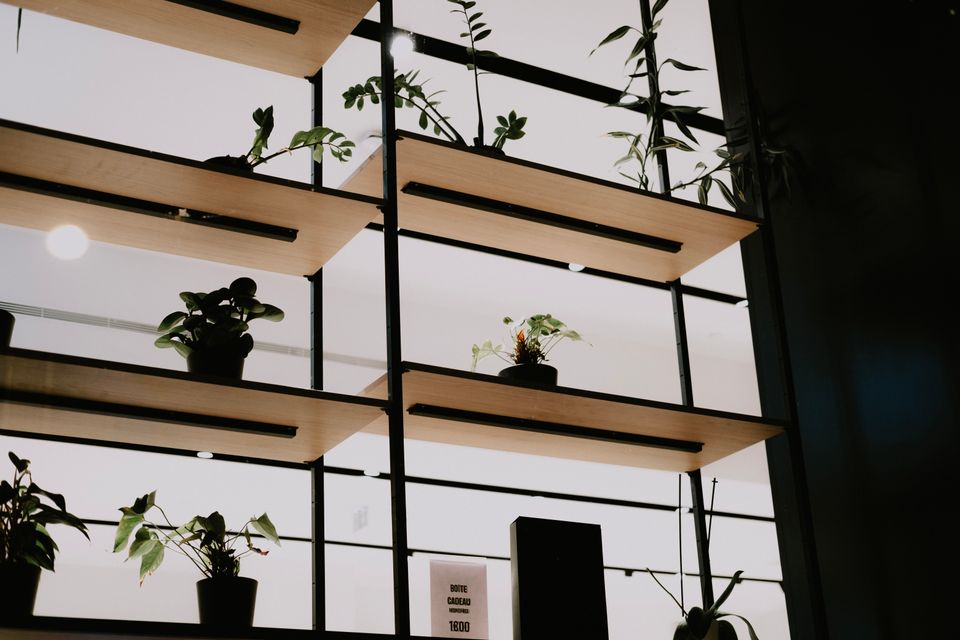
A shelf full of plants is one of the easiest ways to make a room feel cozy and alive. It’s also very easy to get wrong: too many small pots in a row, plants that slowly die because the shelf is too dark, and watering that leaves rings on the wood.
The good news is that there’s a simple method, and it works whether you have a whole bookcase or a single floating shelf.
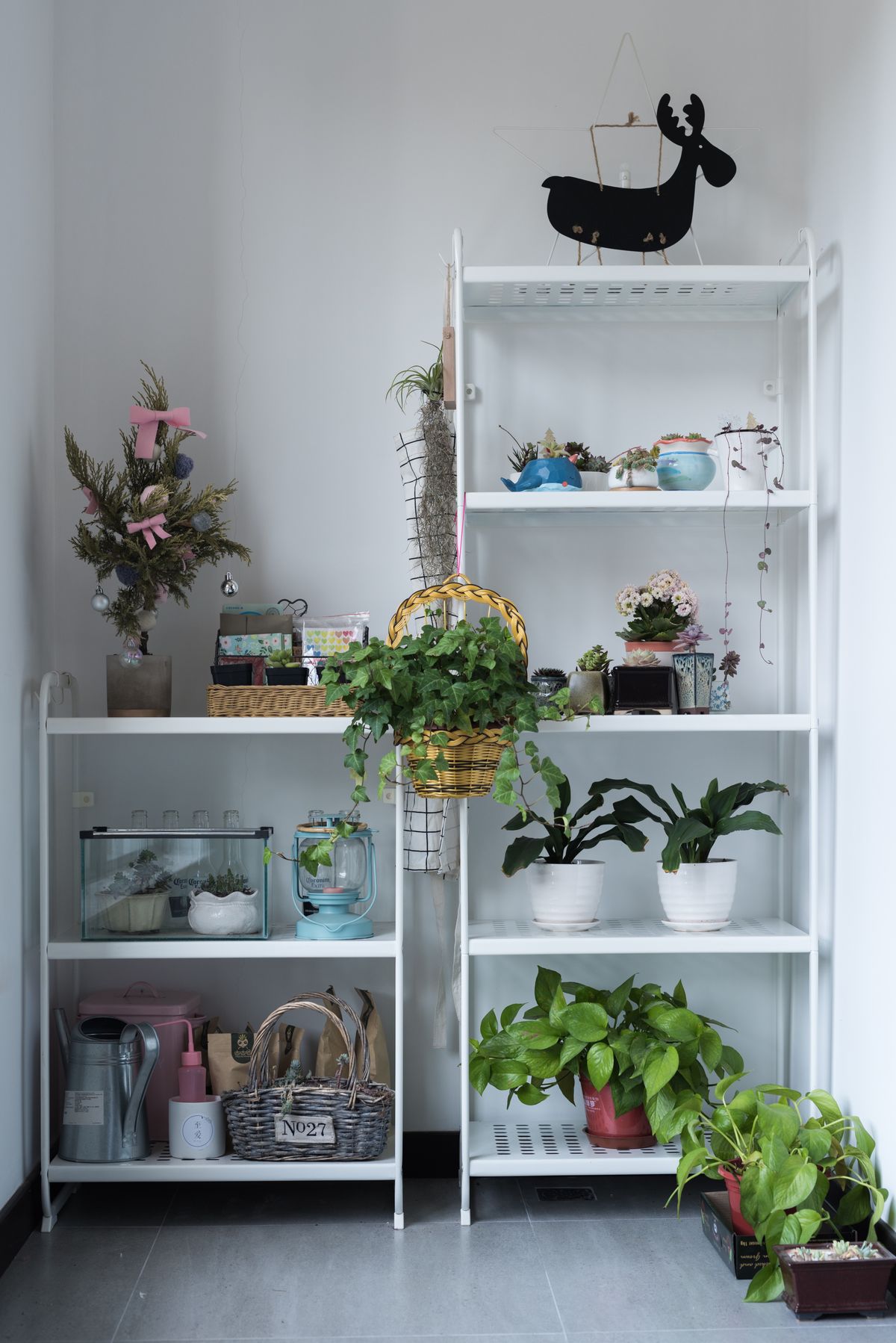
Step 1: Check the light first
Before you buy a single plant, figure out how much light your shelf actually gets. This decides what will thrive there.
- Right next to a bright window: you can grow almost anything, including succulents and herbs on the sunniest spots.
- A few feet from a window, in a bright room: perfect for most trailing and leafy houseplants.
- Far from the window or in a dim corner: stick to true low-light plants, and consider a grow light.
A quick check: on a sunny day, hold your hand a foot above the shelf. A crisp, dark shadow means bright light; a soft, fuzzy shadow means medium light; barely any shadow means low light.
Step 2: Choose plants by shelf height
Different shapes belong on different levels.
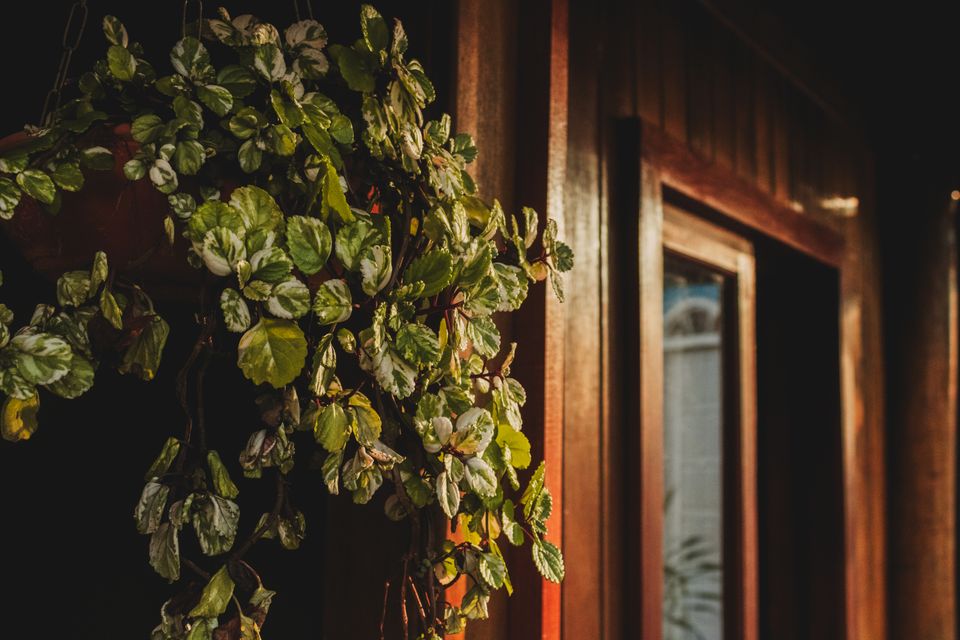
Top shelves: trailing plants. Vines that spill down are made for high spots. Try pothos, heartleaf philodendron, string of hearts or tradescantia. They soften the hard edge of the shelf and draw the eye up.
Middle shelves: compact and bushy plants. These sit at eye level, so pick plants with interesting leaves: peperomia, calathea (in good humidity), small snake plants, haworthia or ZZ plants.
Bottom shelves and the floor beside: bigger, upright plants. A tall snake plant or a small palm on the floor next to the shelf frames the whole arrangement.
Need ideas? Our list of low-light indoor plants covers what works on darker shelves.
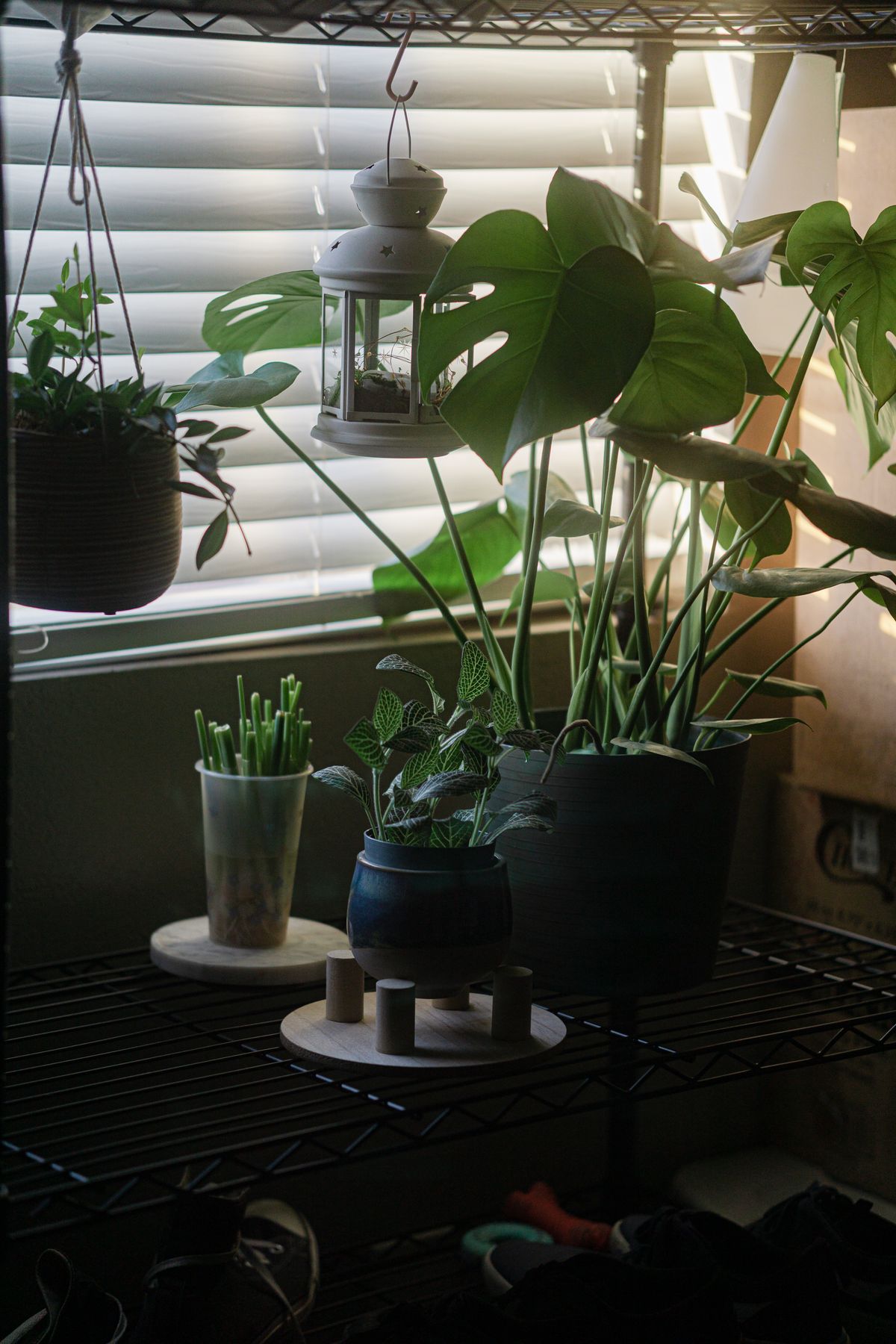
Step 3: Mix heights and use the triangle rule
Rows of identical small pots look busy and flat. Instead, think in triangles: on each shelf, group three things of different heights so the tallest is to one side, then something medium, then something low.
For example:
- A trailing pothos (tall, hanging down) + a stack of books + a small round pot
- A tall vase with dried grass + a medium plant + a candle
Repeat the triangle on the next shelf, but flip the direction so the tall items zigzag across the bookcase. This creates rhythm without looking planned.
Step 4: Add books, baskets and handmade pieces
Plants look best surrounded by other textures. Mix in:
- Books, stacked horizontally as plant risers or standing upright as bookends
- Woven baskets to hide plastic nursery pots
- Handmade pieces: a crochet pot cover, a small macrame hanger, a hand-thrown ceramic bowl
- One or two objects with meaning: a candle, a framed print, a vintage find
Crochet pot covers are an especially easy win. They hide plain plastic pots, add warmth and are a quick beginner project. Browse our crochet home decor ideas for inspiration.
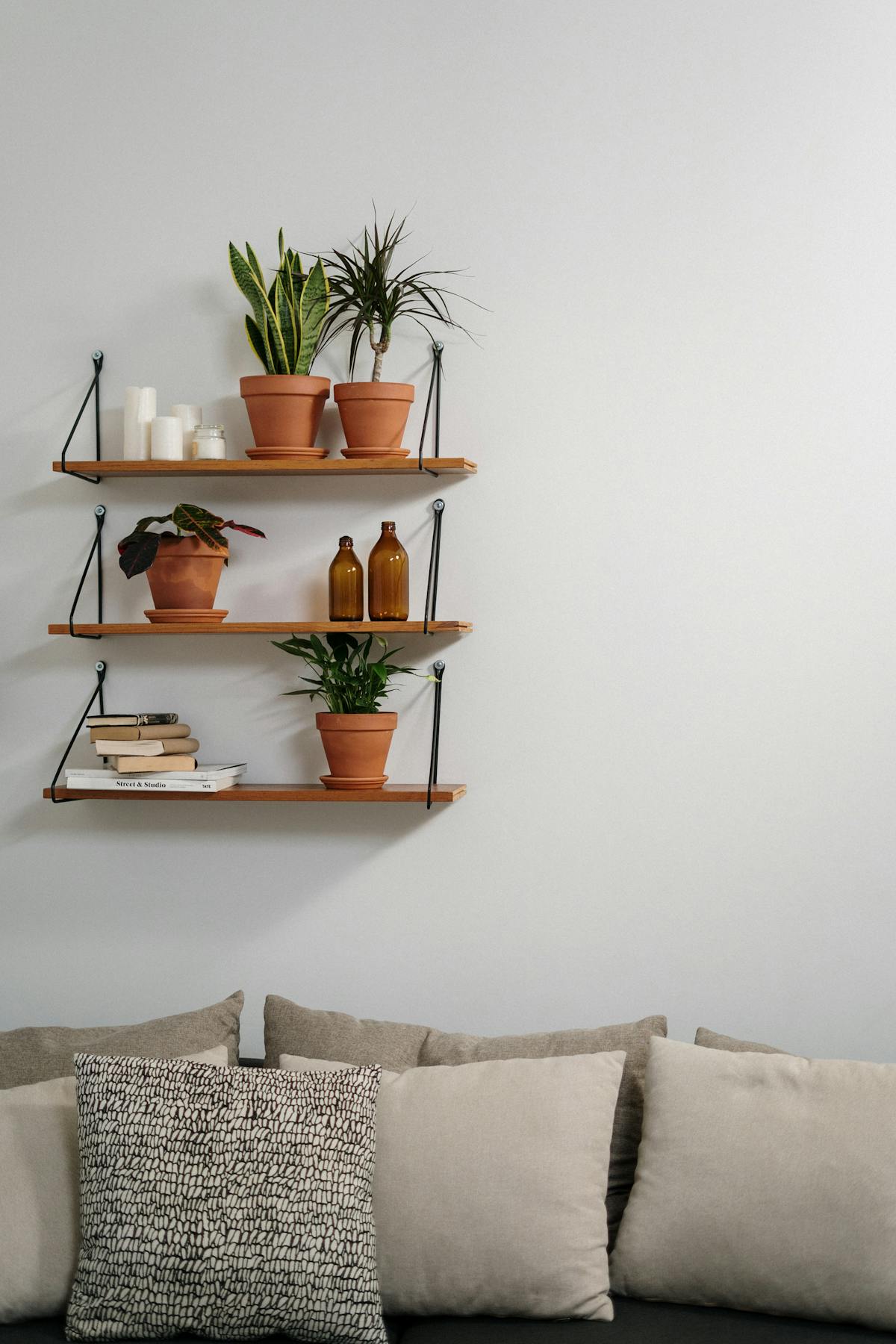
Step 5: Choose a pot palette
The fastest way to make a shelf look calm is to limit the pot colors. Pick two or three and stick to them:
- Terracotta + cream + natural wood for a warm, boho look
- White + matte black + green leaves for something cleaner
- Sage, blush and sand for a soft, earthy palette
Variety in size and texture is good. Variety in color is what makes shelves look cluttered.
Step 6: Leave breathing room
Resist the urge to fill every inch. Empty space lets each plant stand out, gives leaves room to grow, and means air can circulate (which helps prevent pests and mold). A good rule: about one third of each shelf should be empty.
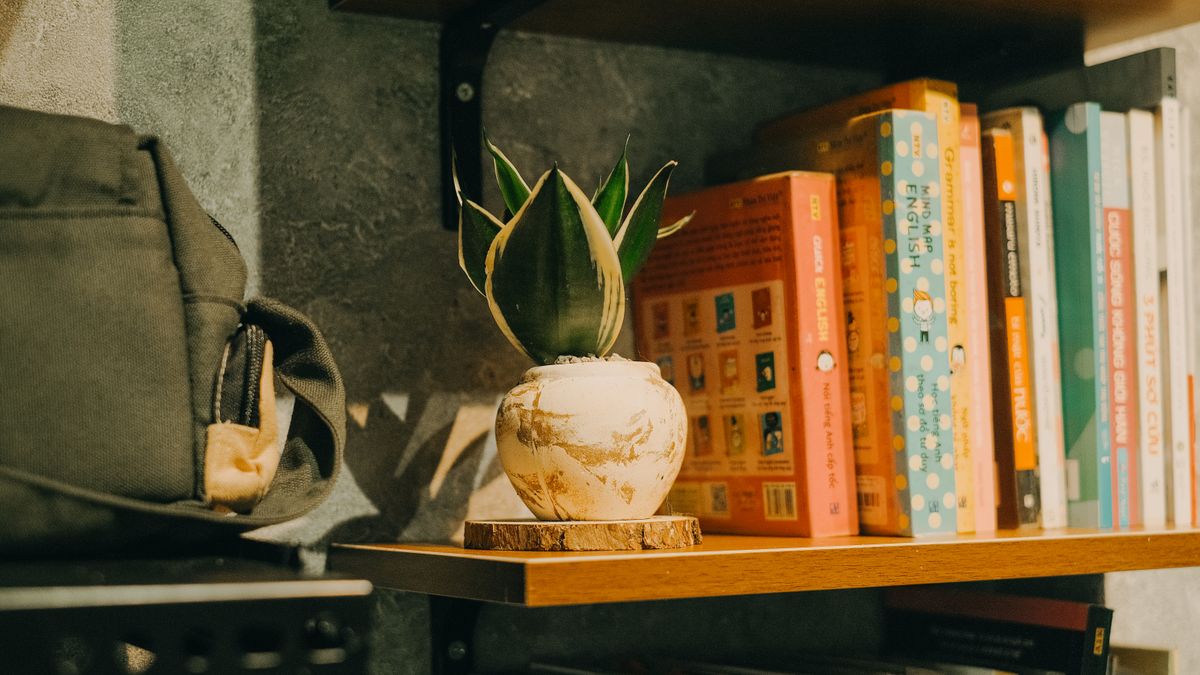
Step 7: Make watering easy
Your shelf only looks good if the plants stay alive, so plan for watering:
- Keep plants in plastic nursery pots inside decorative pots, so you can lift them out
- Put saucers or cork mats under every pot to protect the wood
- Group plants with similar watering needs on the same shelf
- Use a long-spout watering can for high spots
Once a week, take a quick walk past the shelf, check the soil with a finger, and water anything that’s dry.
Step 8: Rotate and refresh
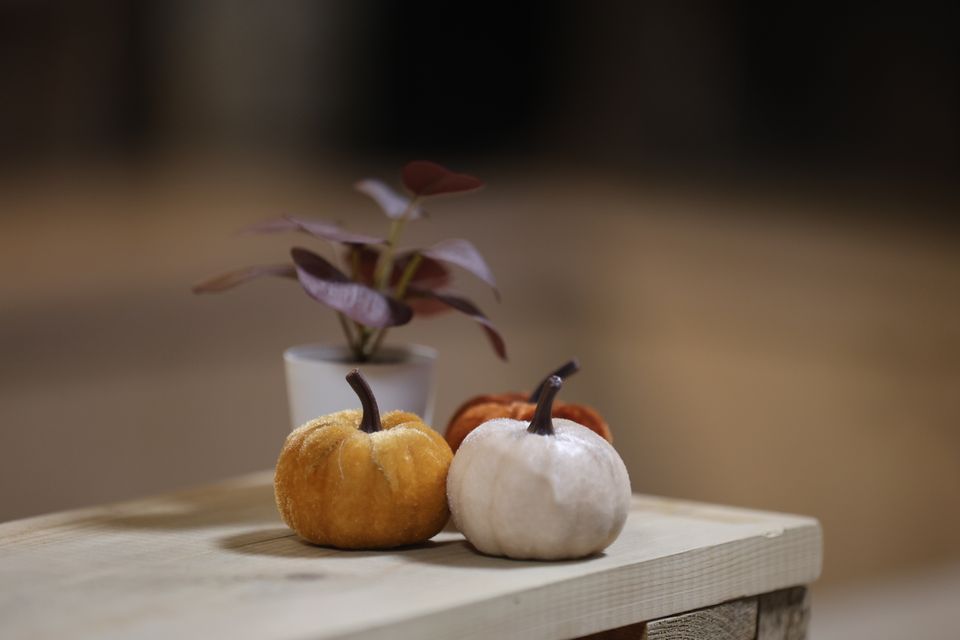
Plants lean toward the light. Give each pot a quarter turn every week or two so they grow evenly. Every season, swap a few objects in and out (dried flowers in fall, a small pumpkin, fresh cuttings in a jar in spring) so the shelf feels new without buying anything.
Shelf styling mistakes to avoid
- All small pots in a line. Use the triangle rule instead.
- Ignoring light. A beautiful plant in the wrong light will slowly decline.
- No drainage. Water pooling in a pretty pot with no hole is the fastest way to root rot.
- Too many colors. Two or three pot colors keep it cohesive.
Want more cozy decorating ideas? See our boho living room ideas and hanging plant ideas for small spaces.
Worth buying for a plant shelf
-
A mix of terracotta and ceramic pots in 3 sizesBiggest impact
Terracotta adds warmth and lets soil breathe; matte ceramic adds calm. Three sizes give you instant height variation.
-
Waterproof saucers or cork mats
Protect wooden shelves from drips and watering rings.
-
A clip-on or bulb-style LED grow light
Lets you keep plants on a shelf that's far from the window.
-
Woven baskets or crochet pot covers
Soften plastic nursery pots and bring texture to the shelf.
-
Small adhesive hooks
For guiding trailing vines along the edge of a shelf.
Frequently asked questions
What plants are best for shelves?
Trailing plants like pothos, heartleaf philodendron and string of hearts look best on high shelves. Compact plants like peperomia, haworthia and small snake plants suit middle shelves. Choose based on how much light the shelf gets.
Can plants live on a shelf away from a window?
Only low-light tolerant plants, and even they grow slowly without a light source. For a shelf more than a few feet from a window, add an LED grow light on a timer.
How do I water plants on a high shelf?
Use a long-spout watering can and keep plants in nursery pots with saucers. Or take the pot down once a week and water it in the sink, letting it drain before putting it back.
How many plants should I put on one shelf?
Leave space. A good starting point is one or two plants per shelf section, mixed with books and objects, so each plant has room to breathe and be seen.
Photo credits
Thank you to Mathias Reding, Li Sun, chickenbunny, cottonbro studio and Pew Nguyen for sharing these photographs.