8 Low-Light Indoor Plants That Actually Survive Dark Rooms
The best low-light houseplants for north-facing rooms, dim corners and apartments, with honest notes on watering, growth and which ones are safe for pets.
Not every home has big, sunny windows. North-facing rooms, basement apartments and that dim corner behind the sofa all deserve plants too. The trick is picking plants that evolved under a forest canopy, where they get only dappled light.
Here are eight that genuinely cope with low light, plus the honest truth about what “low light” means and how to keep these plants from slowly fading.
First: what “low light” really means
“Low light” doesn’t mean no light. A good test: if you can comfortably read a book in the spot during the day without turning on a lamp, a low-light plant can probably live there. If it’s gloomy at noon, no plant will be happy without help from a grow light.
Low-light plants survive in dim spots, but they grow slowly there. That’s normal. The real danger is overwatering: in low light, soil stays wet much longer, and roots rot. Water less than you think.
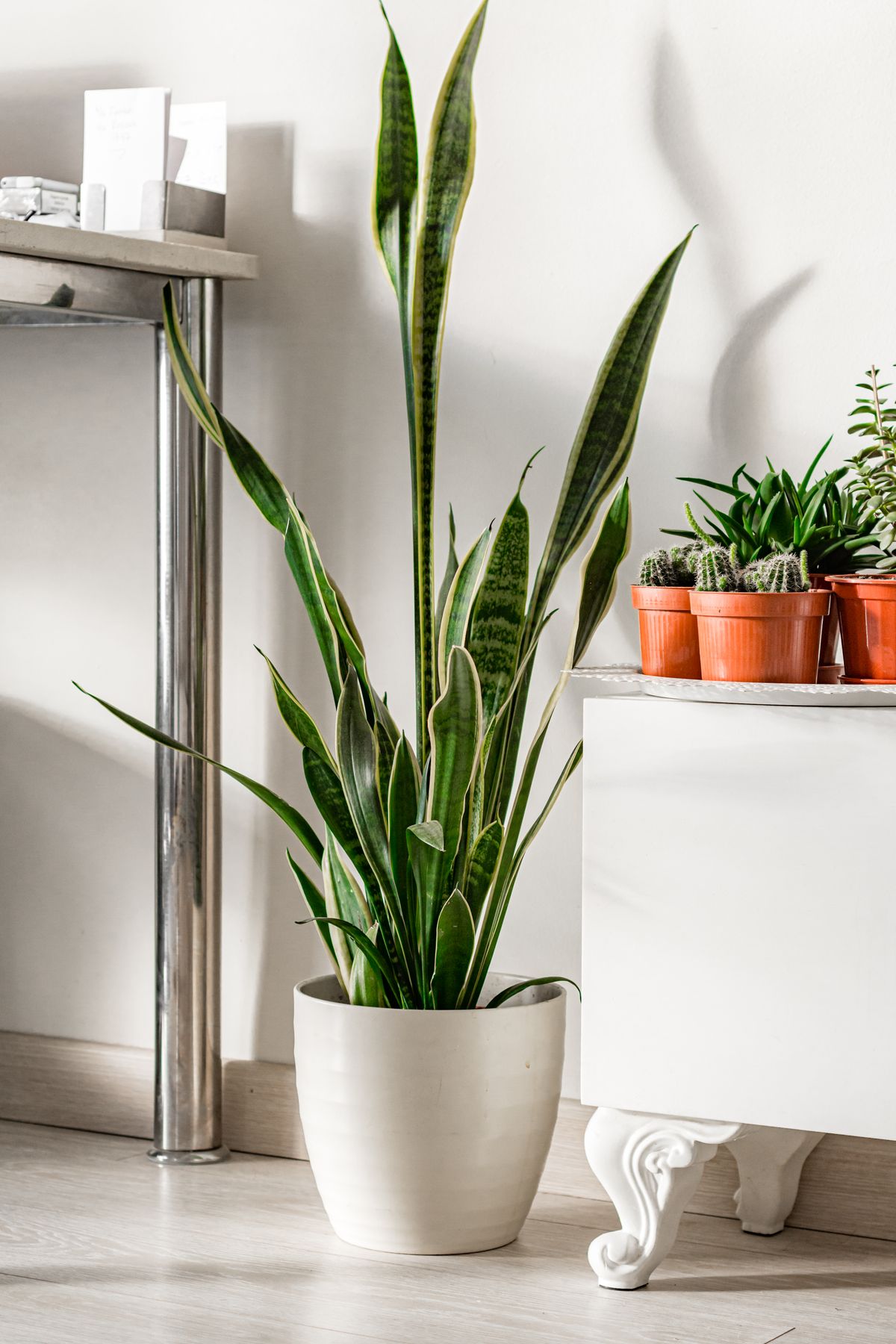
1. Snake plant
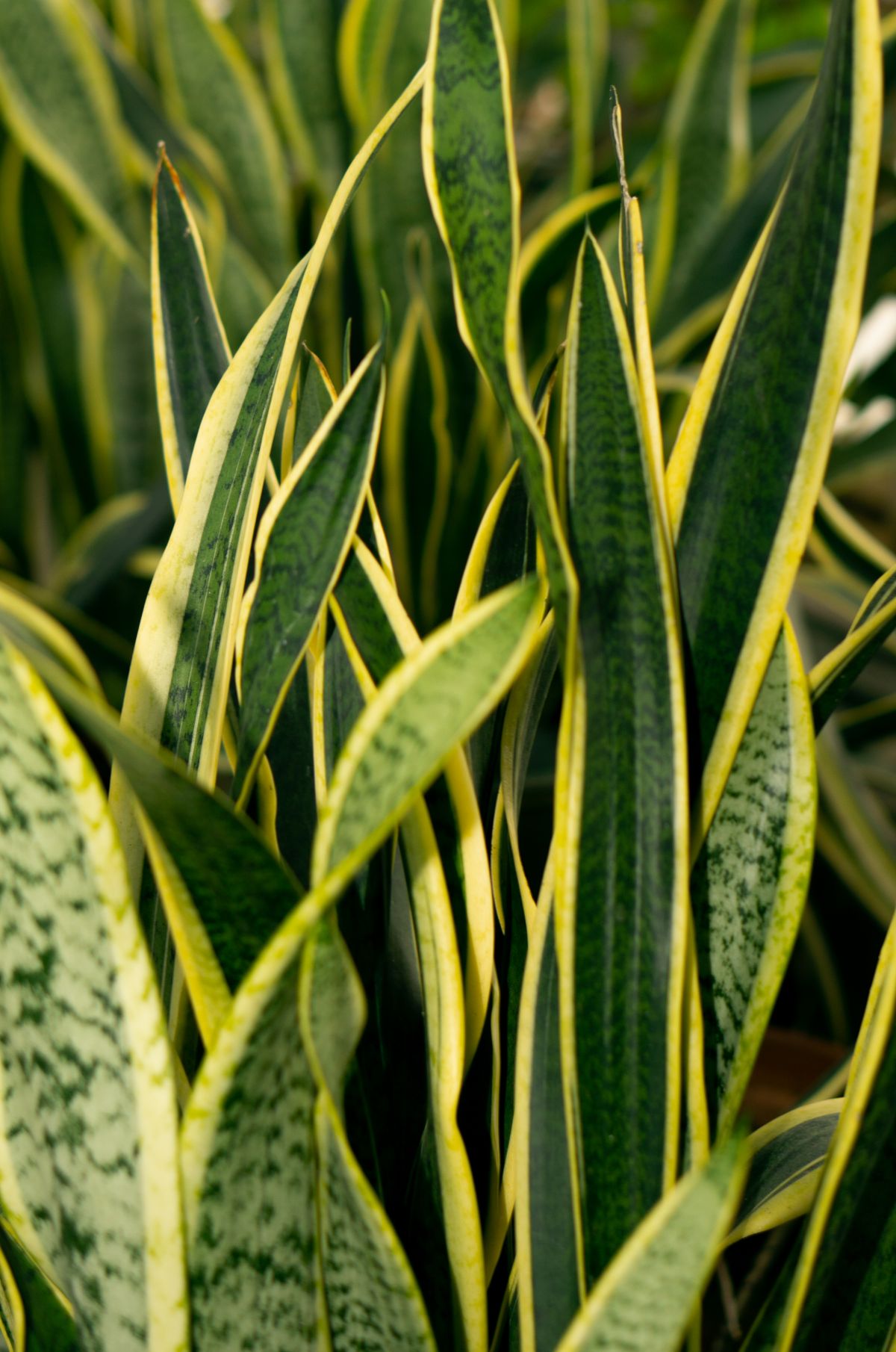
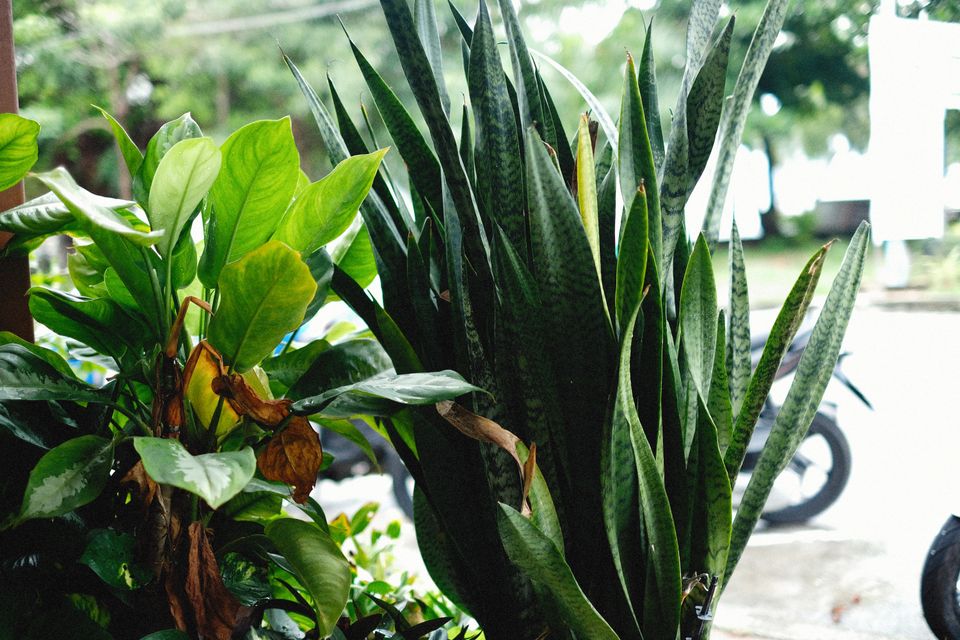
The snake plant (Dracaena trifasciata, formerly Sansevieria) is the most forgiving plant you can buy. Its stiff, upright leaves store water, so it’s happy to be ignored for weeks.
- Light: anything from low light to bright light, even some direct sun
- Water: every 2 to 4 weeks, only when the soil is completely dry; even less in winter
- Pets: toxic to cats and dogs if chewed
- Good to know: its upright shape fits narrow spots, like beside a door or on the floor next to a bookcase
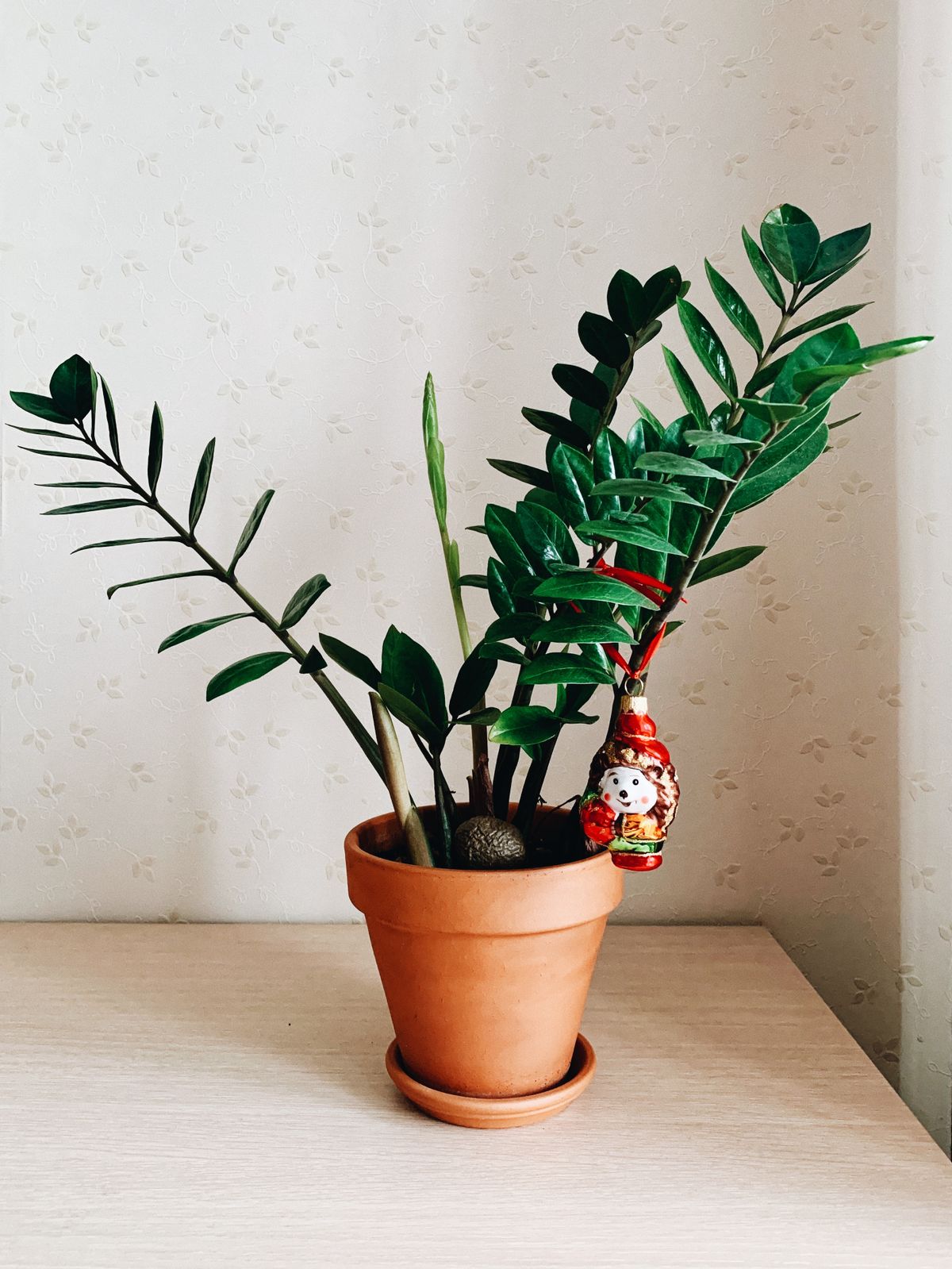
2. ZZ plant
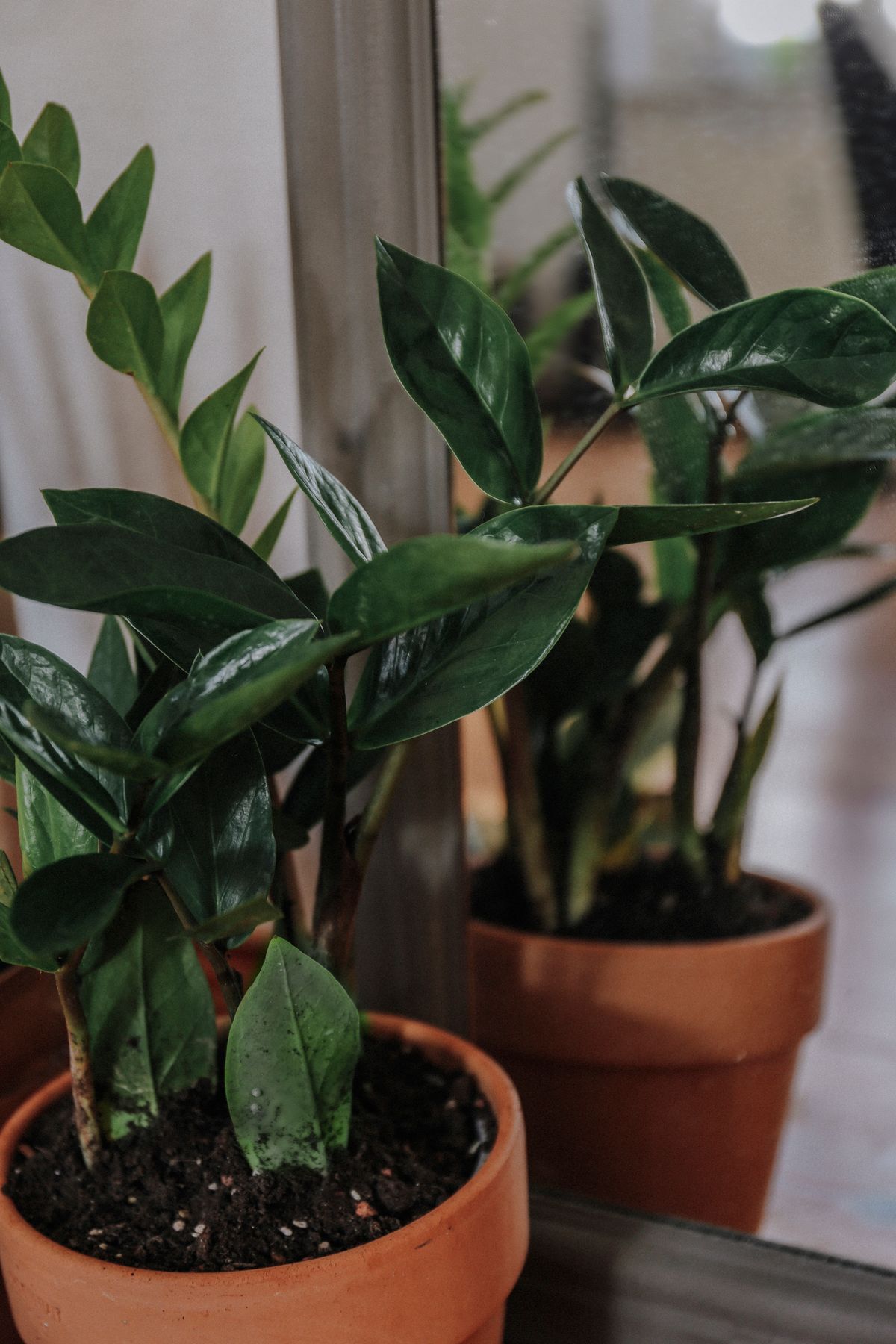
With glossy, almost waxy leaves, the ZZ plant (Zamioculcas zamiifolia) looks expensive and acts indestructible. It grows from thick underground rhizomes that store water, which is why it survives long droughts.
- Light: low to bright indirect light
- Water: every 2 to 3 weeks when the soil is dry all the way through
- Pets: toxic to cats and dogs
- Good to know: yellowing stems almost always mean too much water
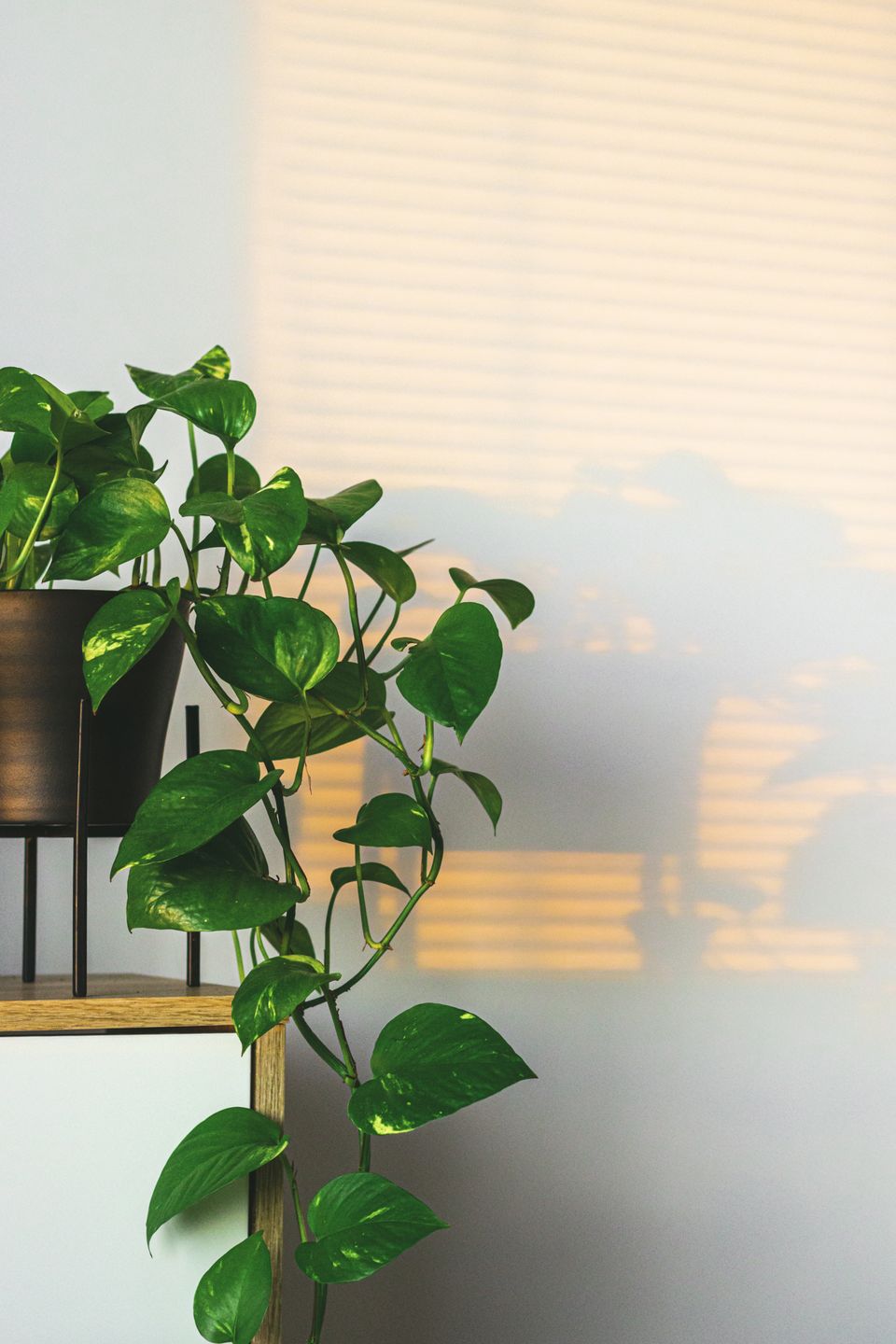
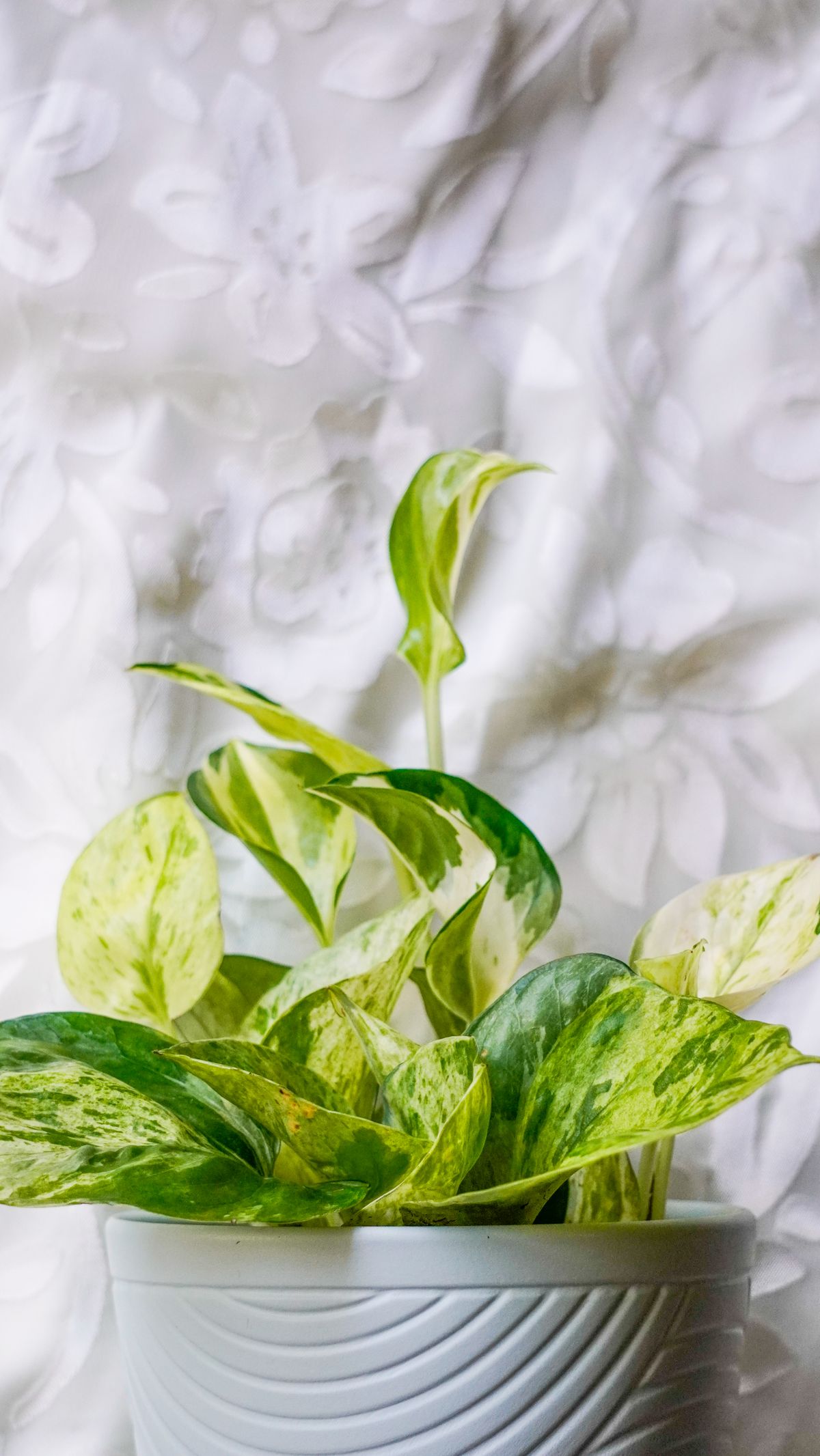
3. Pothos
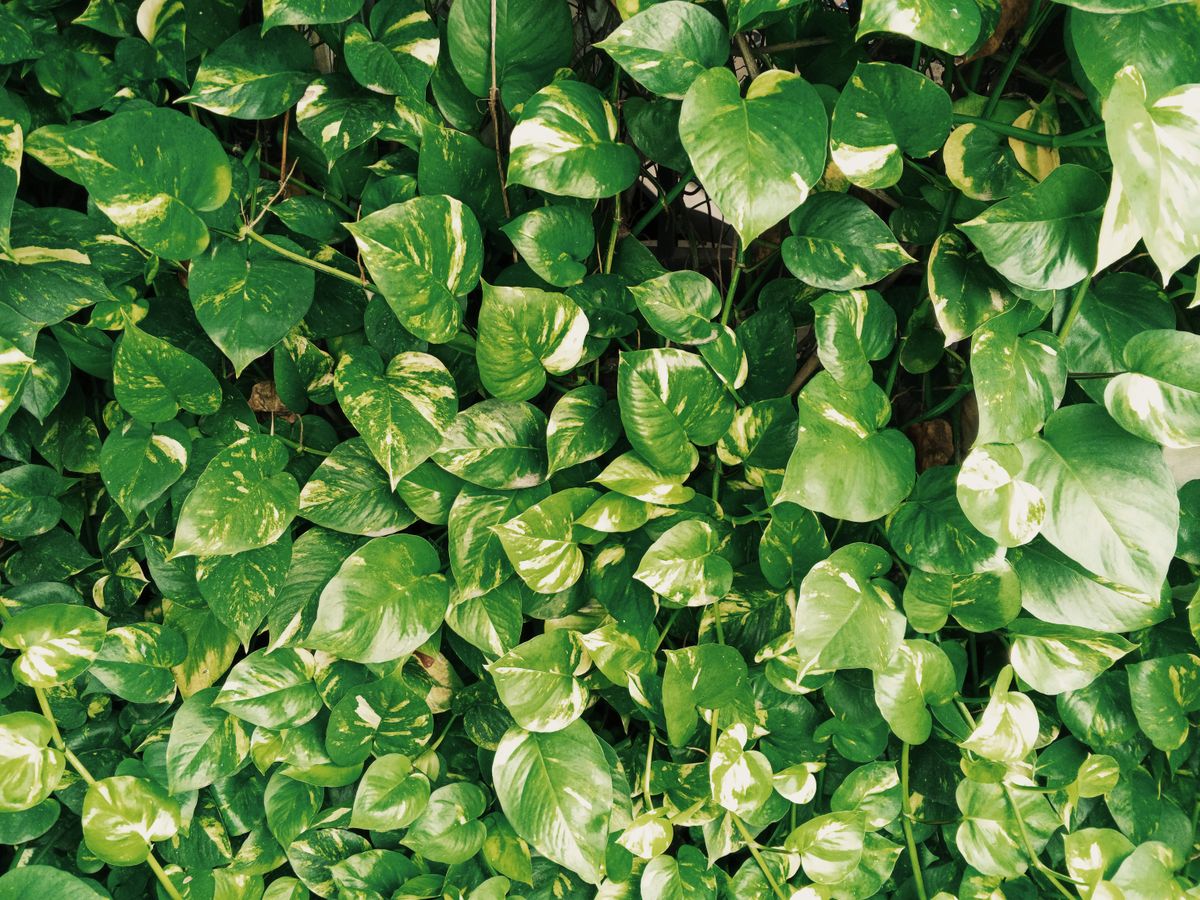
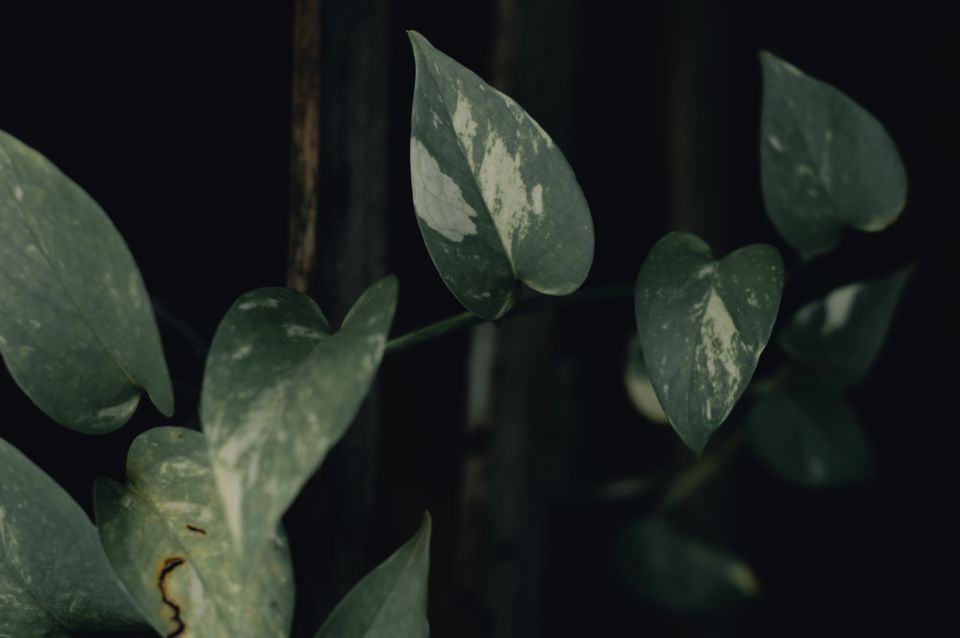
Pothos is the classic trailing plant for dim rooms. It won’t grow as fast or as full in low light as it would near a window, but it stays green and keeps putting out new leaves.
- Light: low to bright indirect light; variegated types fade to green in low light
- Water: when the top 1 to 2 inches of soil are dry
- Pets: toxic to cats and dogs
- Good to know: perfect for the top of a bookshelf or a hanging planter
Want the full details? Read our pothos care guide.
4. Peace lily
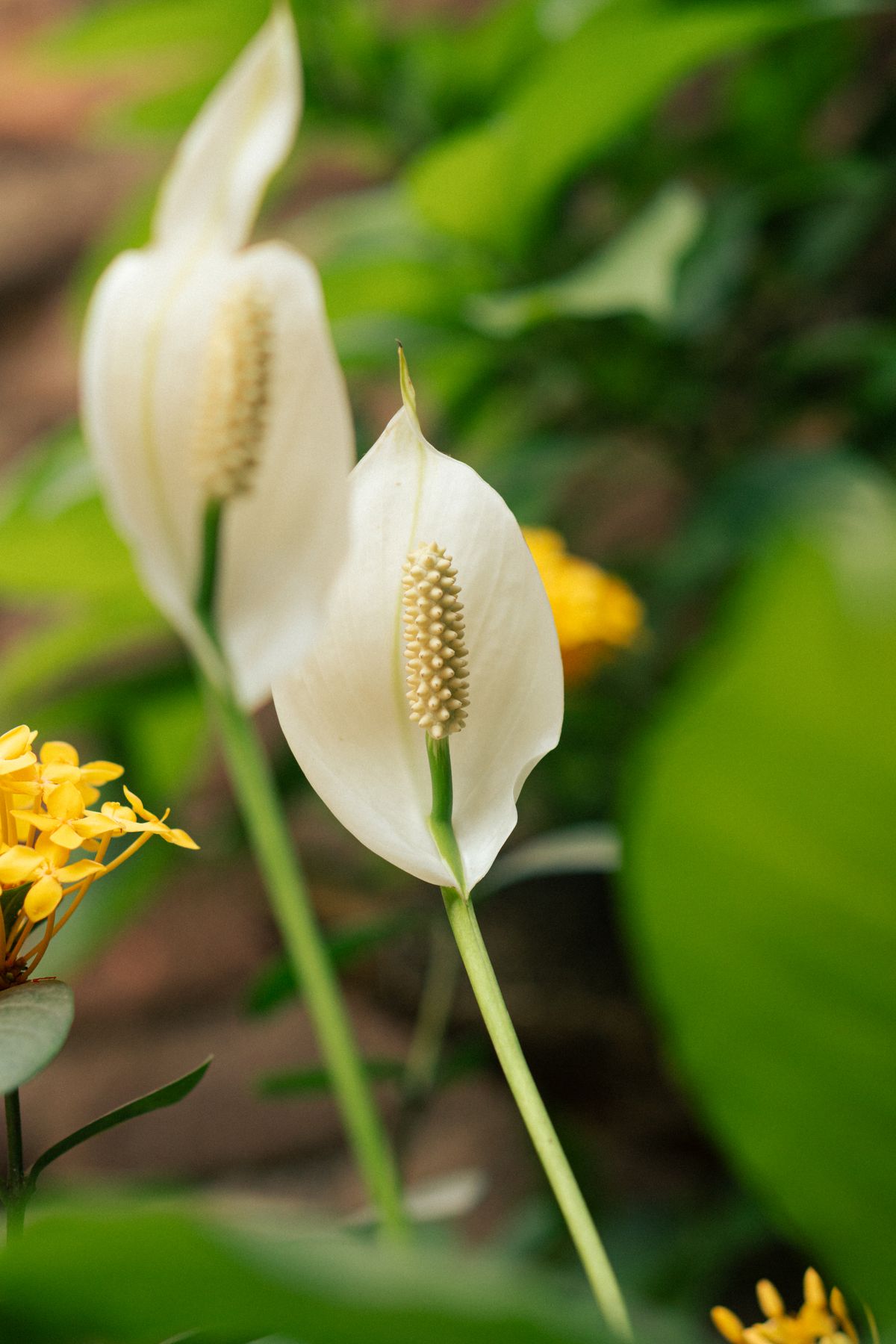
The peace lily (Spathiphyllum) is one of the few flowering plants that copes with lower light. It also tells you exactly when it’s thirsty: the whole plant droops dramatically, then perks up within hours of watering.
- Light: medium to low indirect light; it needs brighter light to flower well
- Water: keep the soil lightly moist, watering when the top inch is dry
- Pets: toxic to cats and dogs (it’s not a true lily, but it still irritates the mouth)
- Good to know: brown leaf tips often mean dry air or hard tap water
5. Cast iron plant
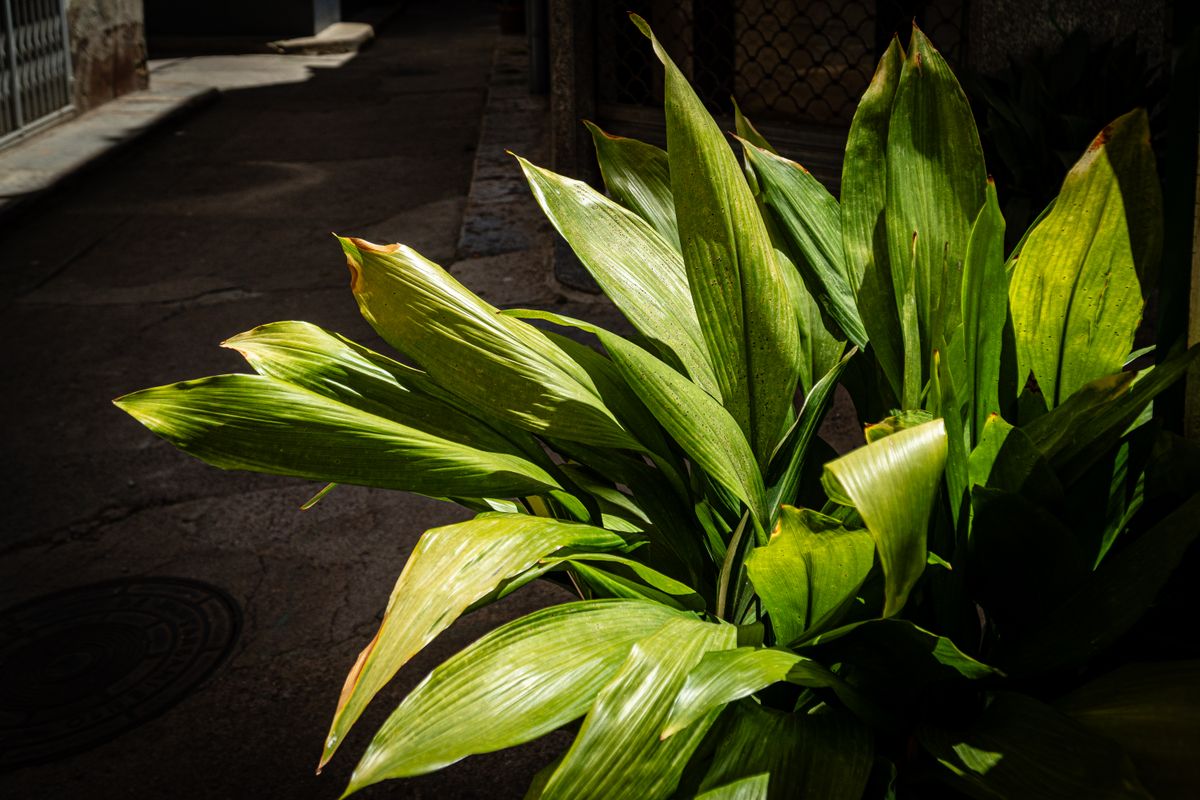
The name says it all. The cast iron plant (Aspidistra elatior) was a favorite in dark Victorian parlors because it survived gaslight, drafts and neglect. It grows slowly, but its deep green, arching leaves look elegant in any corner.
- Light: low to medium indirect light; avoid direct sun
- Water: when the top couple of inches are dry
- Pets: non-toxic to cats and dogs according to the ASPCA
- Good to know: slow growth means it’s often pricier than other plants for its size
6. Chinese evergreen
The Chinese evergreen (Aglaonema) comes in silvery, green and even pink varieties. As a rule, the darker green the leaves, the lower the light it tolerates. Pink and red varieties need brighter light to keep their color.
- Light: low to medium indirect light (green types)
- Water: when the top inch or two is dry
- Pets: toxic to cats and dogs
- Good to know: dislikes cold drafts, so keep it away from winter doors and windows
7. Heartleaf philodendron
Philodendron hederaceum is often confused with pothos: both trail, both are easy, both cope with low light. Philodendron leaves are thinner and more heart-shaped, and new leaves unfurl from a small sheath.
- Light: low to bright indirect light
- Water: when the top inch or two is dry
- Pets: toxic to cats and dogs
- Good to know: grows a little faster than pothos in dim light
8. Parlor palm
The parlor palm (Chamaedorea elegans) brings a soft, feathery tropical look to a dim room. It’s compact and slow-growing, so it fits on a side table for years before it needs a floor spot.
- Light: low to medium indirect light; direct sun can scorch it
- Water: keep the soil lightly moist, but never soggy
- Pets: non-toxic to cats and dogs according to the ASPCA
- Good to know: one of the best choices if you want a low-light plant that’s also pet-safe
Low-light plants at a glance
| Plant | Watering | Growth in low light | Pet-safe? |
|---|---|---|---|
| Snake plant | Every 2 to 4 weeks | Slow | No |
| ZZ plant | Every 2 to 3 weeks | Slow | No |
| Pothos | Top inch or two dry | Moderate | No |
| Peace lily | Top inch dry | Moderate | No |
| Cast iron plant | Top inch or two dry | Very slow | Yes |
| Chinese evergreen | Top inch or two dry | Slow | No |
| Heartleaf philodendron | Top inch or two dry | Moderate | No |
| Parlor palm | Lightly moist | Slow | Yes |
How to help any plant in low light
- Move it closer to the window, even a few feet makes a big difference
- Clean the windows and the leaves: dust blocks more light than you’d expect
- Rotate the pot every couple of weeks so it doesn’t lean
- Add a grow light on a timer for the darkest spots
- Water less and feed less: slow growth means slow water and fertilizer use
Ready to decorate with them? Our guide to styling plants on shelves shows how to arrange low-light plants so they look intentional. If you have pets, see our list of pet-safe houseplants.
Worth buying for a darker home
-
Full-spectrum LED grow bulbGame changer
Screws into a normal lamp and turns a dark corner into a spot where plants actually grow. Put it on a timer for 10 to 12 hours a day.
-
Moisture meter
Plants in low light use water slowly. A cheap meter stops you from watering soil that's still wet.
-
Pots with drainage holes
Non-negotiable in low light, where soggy soil takes much longer to dry out.
-
Microfiber cloth
Dust on leaves blocks light. Wipe big leaves every month or two.
Frequently asked questions
What is considered low light for houseplants?
Low light usually means a spot several feet from a window, a north-facing room, or a room where you can read comfortably during the day but the sun never reaches the plant. It does not mean darkness: no plant can live without some light.
What is the best plant for a room with no windows?
No plant can live long in a windowless room with the lights off. ZZ plants, snake plants and pothos can do well under bright artificial light, such as LED grow bulbs or office lights left on for 10 to 12 hours a day.
How often should I water low-light plants?
Less often than you think. Plants in low light grow slowly and use little water, so wait until the soil is dry at least 1 to 2 inches down, and much deeper for snake plants and ZZ plants.
Which low-light plants are safe for cats and dogs?
The cast iron plant and the parlor palm are both listed as non-toxic to cats and dogs by the ASPCA. Snake plant, ZZ plant, pothos, peace lily, Chinese evergreen and philodendron are toxic if chewed.
Photo credits
Thank you to Jessika Arraes, Olha Ruskykh, Nadiye Odabaşı, Valeria Palesska, Nda Arsa, Koushalya Karthikeyan, Subhrajyoti Paul, Jose Rodriguez Ortega and Elena Golovchenko for sharing these photographs.