10 Pet-Safe Houseplants for Homes With Cats and Dogs
Beautiful, easy houseplants listed as non-toxic to cats and dogs by the ASPCA, plus the common plants to keep away from pets and tips to stop nibbling.
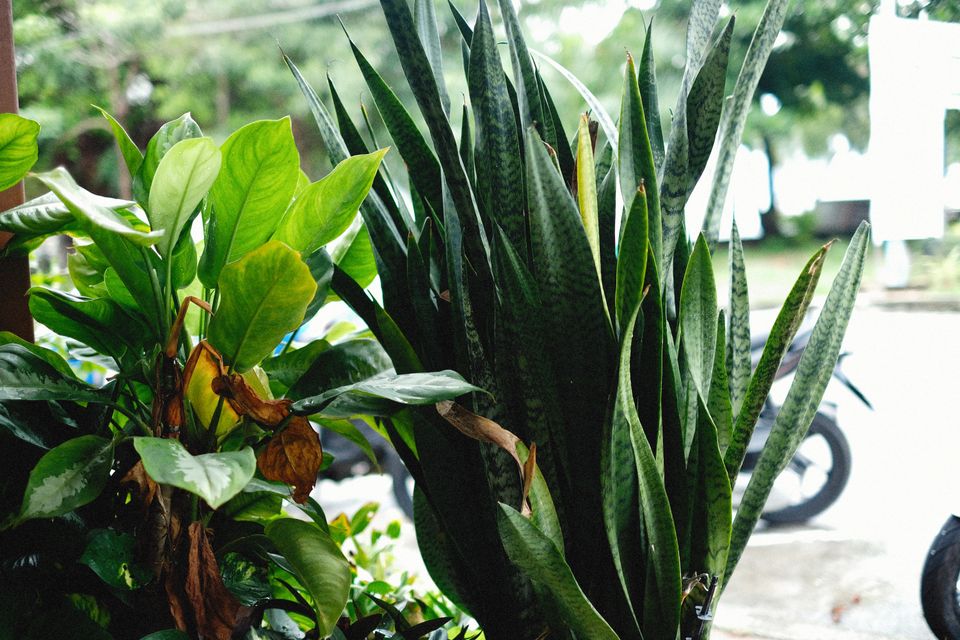
Sharing your home with a cat or dog doesn’t mean giving up on plants. It just means choosing carefully, because many of the most popular houseplants (pothos, snake plant, monstera, ZZ plant) are toxic if chewed.
Every plant on this list is listed as non-toxic to both cats and dogs by the ASPCA. They’re also genuinely easy to grow, so you can build a green, cozy home without worrying every time your cat eyes a leaf.
One important note: “non-toxic” means not poisonous, not “good to eat”. Chewing any plant can cause a mild stomach upset, so it’s still best to discourage nibbling. If your pet eats a plant and seems unwell, call your vet.
1. Spider plant
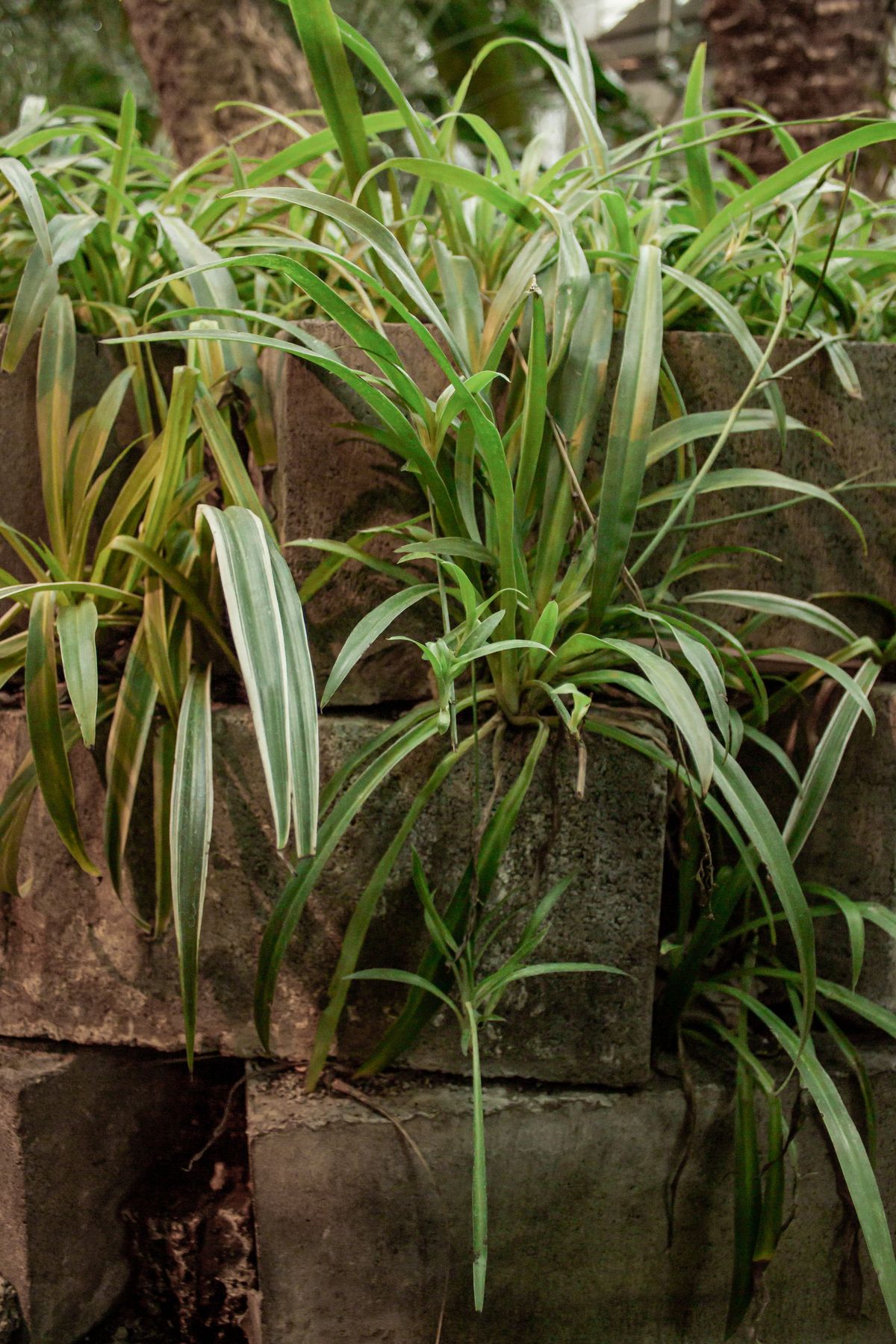
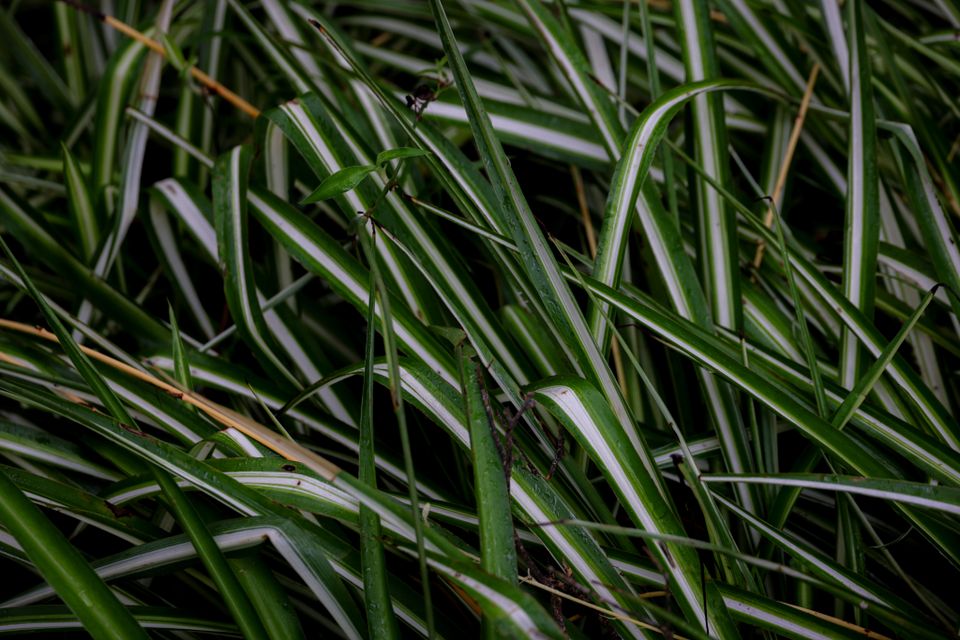
The spider plant (Chlorophytum comosum) is the classic pet-safe plant: arching striped leaves, baby plantlets dangling from long stems, and almost impossible to kill.
- Light: bright to medium indirect light
- Water: when the top inch of soil is dry
- Why we love it: looks amazing in a hanging planter, which also keeps it away from cats (who often love to chew it)
2. Calathea
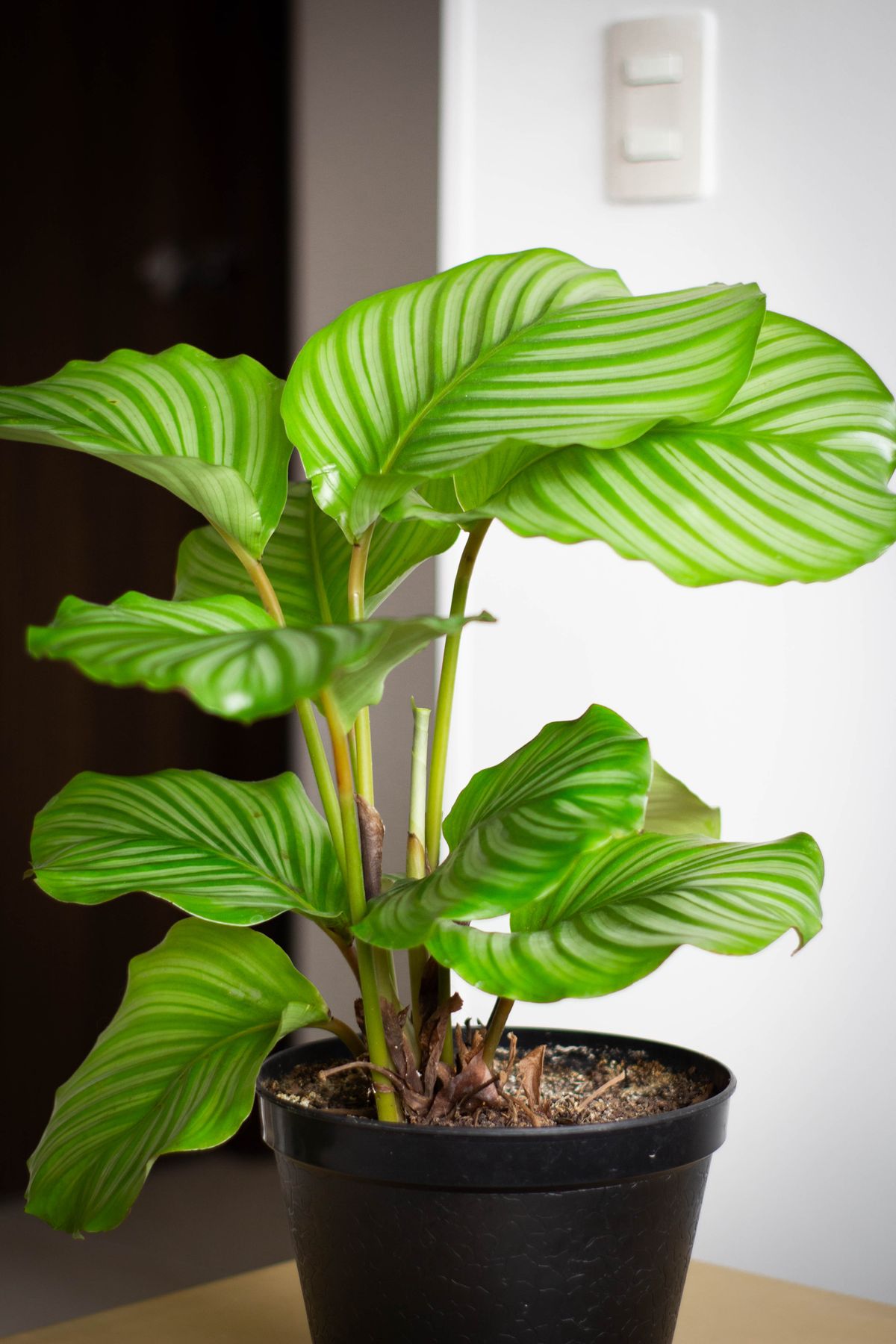
Calatheas have some of the most striking leaves of any houseplant: stripes, pinstripes and huge round leaves like the orbifolia above. They’re pet-safe, but a little fussier than others on this list.
- Light: medium indirect light; direct sun fades and burns the leaves
- Water: keep the soil lightly moist; they dislike drying out completely
- Why we love it: the leaves fold up at night, which is a lovely thing to notice
- Heads up: they like humidity, so crispy edges are common in dry homes. A bathroom or kitchen often suits them
3. Boston fern
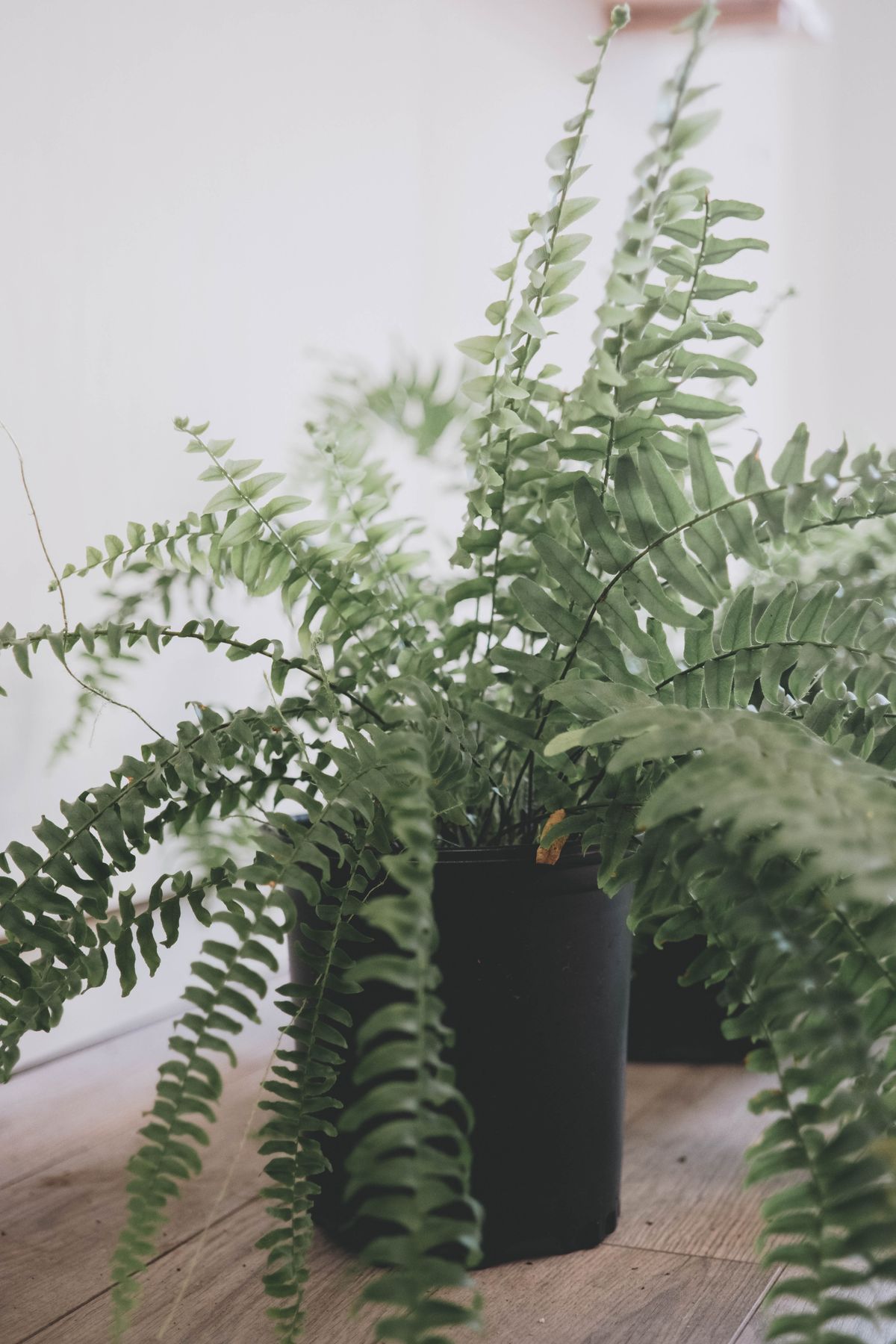
Lush, feathery and full, the Boston fern (Nephrolepis exaltata) is perfect for that cozy, plant-filled look, especially in a hanging basket or on a plant stand.
- Light: bright indirect light
- Water: keep the soil evenly moist
- Why we love it: instant softness in any room; great in a humid bathroom with a window
4. Peperomia
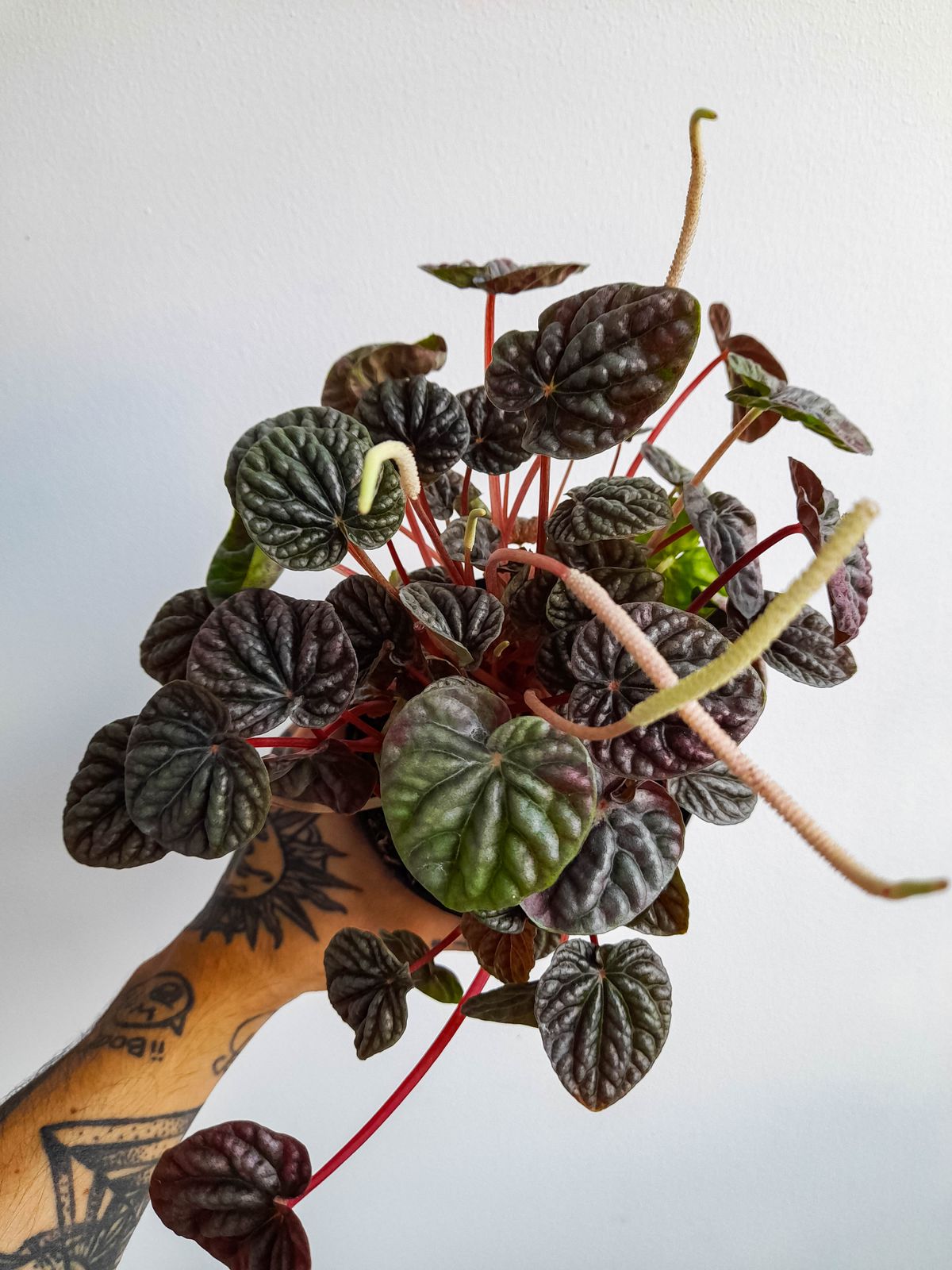
Peperomias are small, tidy plants with thick, often textured leaves, like the ripple peperomia (Peperomia caperata) above. There are dozens of varieties, and they’re perfect for desks and shelves.
- Light: medium to bright indirect light
- Water: let the top half of the soil dry out; their thick leaves store water
- Why we love it: compact, slow-growing and very forgiving
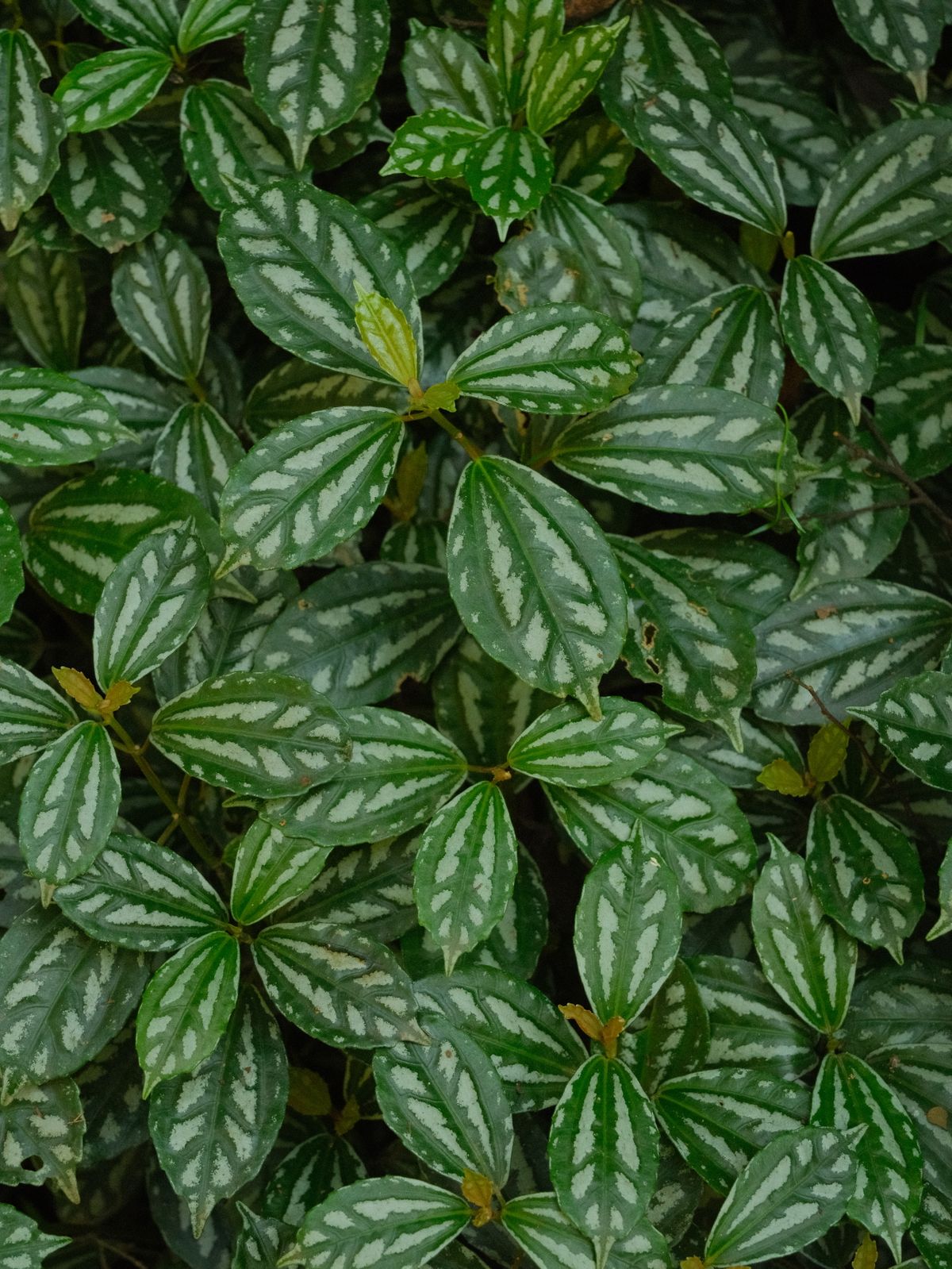
5. Parlor palm
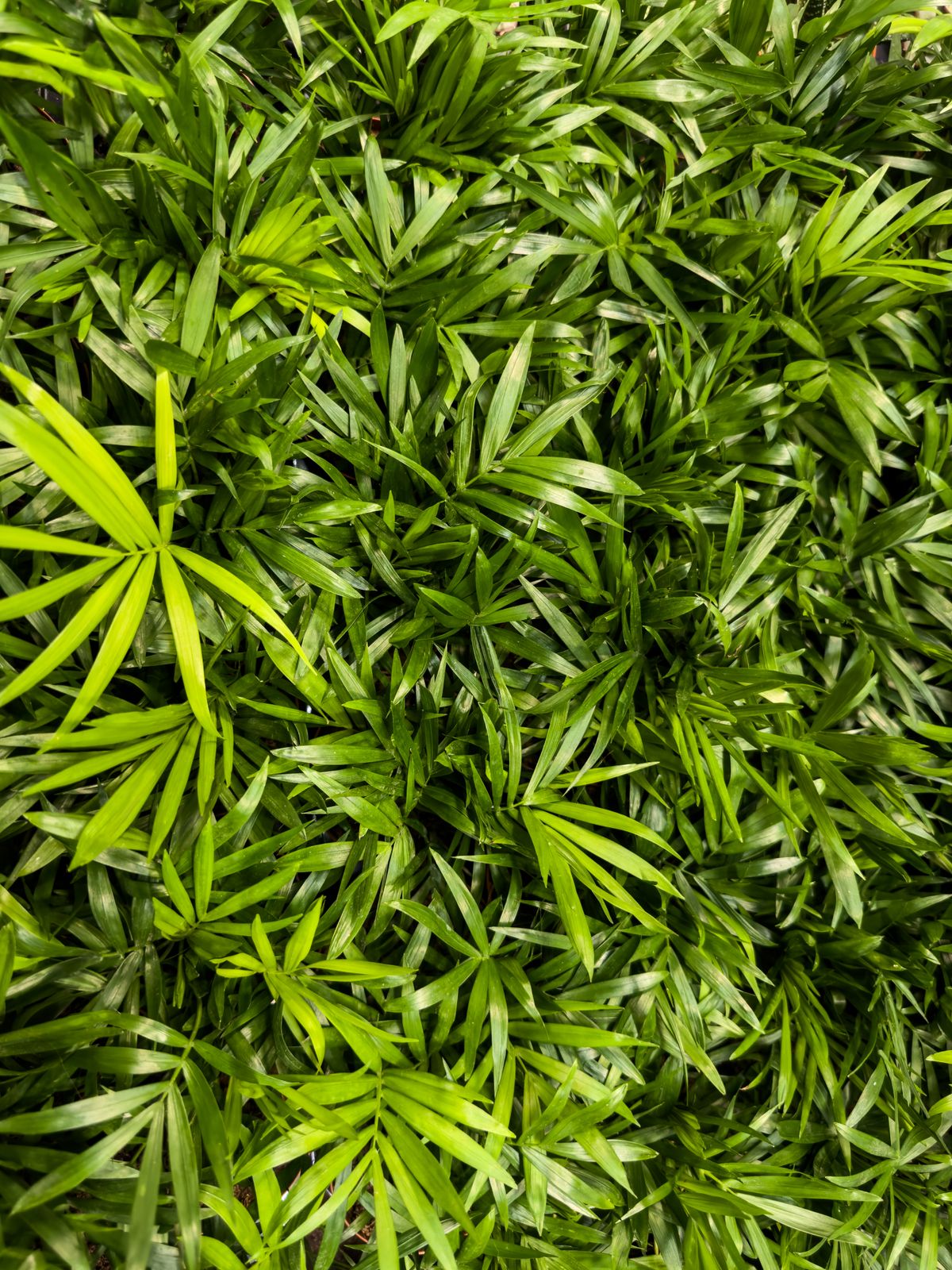
The parlor palm (Chamaedorea elegans) brings a soft, tropical feel and copes with lower light than most palms. It’s one of the best pet-safe choices for darker rooms.
- Light: low to medium indirect light
- Water: keep lightly moist, never soggy
- Why we love it: stays compact for years, then becomes a lovely floor plant
6. African violet
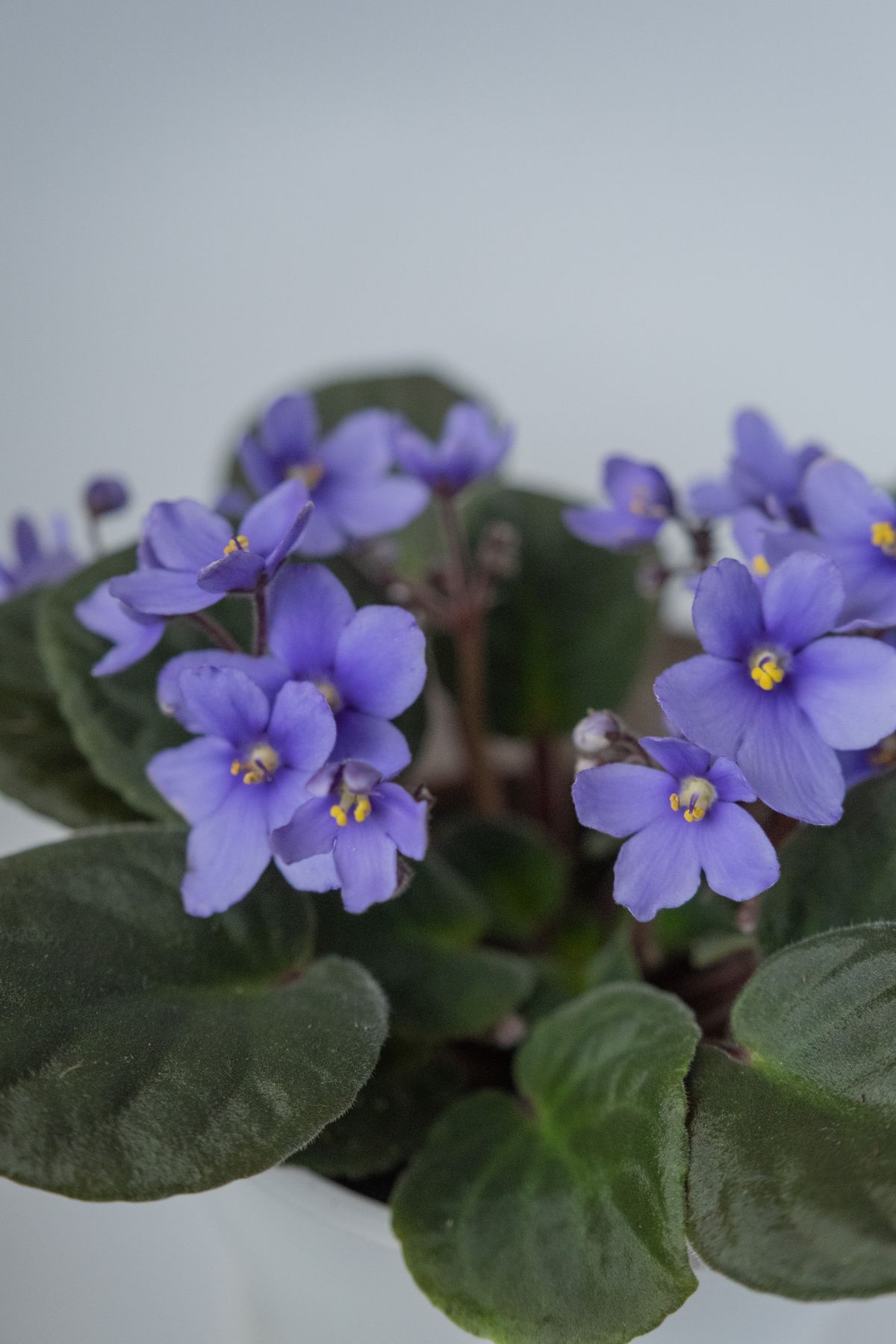
African violets (Saintpaulia) are one of the few houseplants that flower almost all year. Velvety leaves and purple, pink or white blooms make them a sweet windowsill plant.
- Light: bright indirect light; an east window is ideal
- Water: water the soil, not the leaves, with room-temperature water; let the top dry slightly between waterings
- Why we love it: color all year from a small, pet-safe plant
7. Ponytail palm
The ponytail palm (Beaucarnea recurvata) isn’t really a palm. It’s a succulent with a swollen, water-storing trunk and a fountain of long, curly leaves. It’s a great pet-safe swap for a snake plant if you like sculptural shapes.
- Light: bright light, including some direct sun
- Water: sparingly; let the soil dry out completely
- Why we love it: quirky shape and very low maintenance
8. Haworthia
Haworthias are small succulents with stripy, pointed leaves, often called zebra plants. They look a lot like aloe, which is toxic to pets, so they make a perfect safe alternative.
- Light: bright indirect light
- Water: only when the soil is completely dry
- Why we love it: tiny, tough and perfect for a sunny shelf
9. Prayer plant
The prayer plant (Maranta leuconeura) is a relative of calathea, with patterned leaves that lift up at night like hands folded in prayer. It’s pet-safe and slightly easier than most calatheas.
- Light: medium indirect light
- Water: keep the soil lightly moist
- Why we love it: trails gently, so it suits shelves and hanging pots
10. Christmas cactus
The Christmas cactus (Schlumbergera) blooms in pink, red or white around the holidays and is listed as non-toxic to cats and dogs. Unlike desert cacti, it’s a forest plant that likes indirect light and regular water.
- Light: bright indirect light
- Water: when the top inch of soil is dry
- Why we love it: a festive flowering plant that can live for decades
Pet-safe plants at a glance
| Plant | Light | Difficulty |
|---|---|---|
| Spider plant | Medium to bright | Very easy |
| Calathea | Medium | Moderate |
| Boston fern | Bright indirect | Moderate |
| Peperomia | Medium to bright | Easy |
| Parlor palm | Low to medium | Easy |
| African violet | Bright indirect | Easy |
| Ponytail palm | Bright | Very easy |
| Haworthia | Bright indirect | Very easy |
| Prayer plant | Medium | Easy |
| Christmas cactus | Bright indirect | Easy |
Common houseplants to keep away from pets
These popular plants are listed as toxic to cats, dogs or both by the ASPCA:
- Lilies (true lilies and daylilies): extremely dangerous to cats, even in small amounts, including pollen and vase water
- Sago palm: very dangerous to cats and dogs
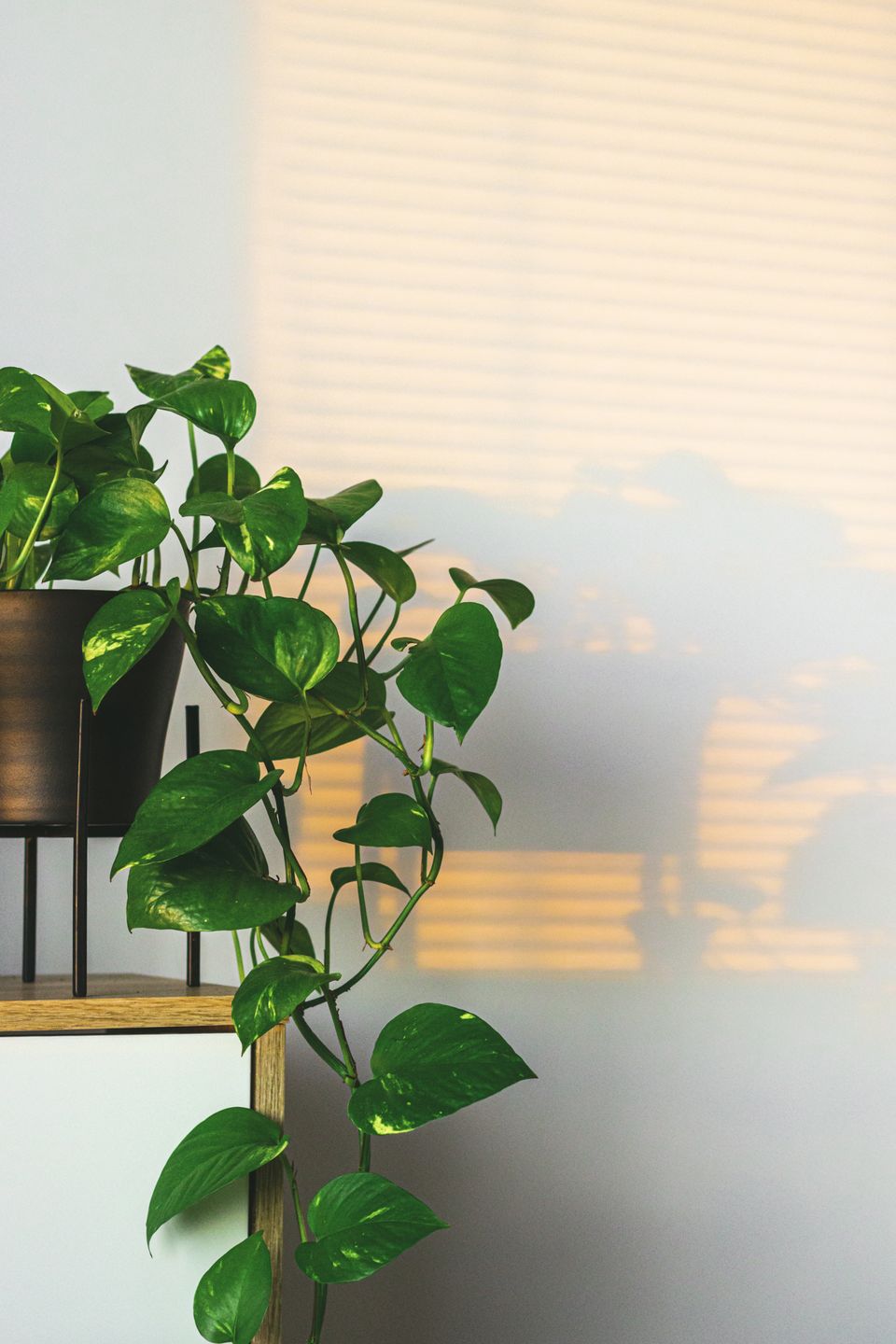
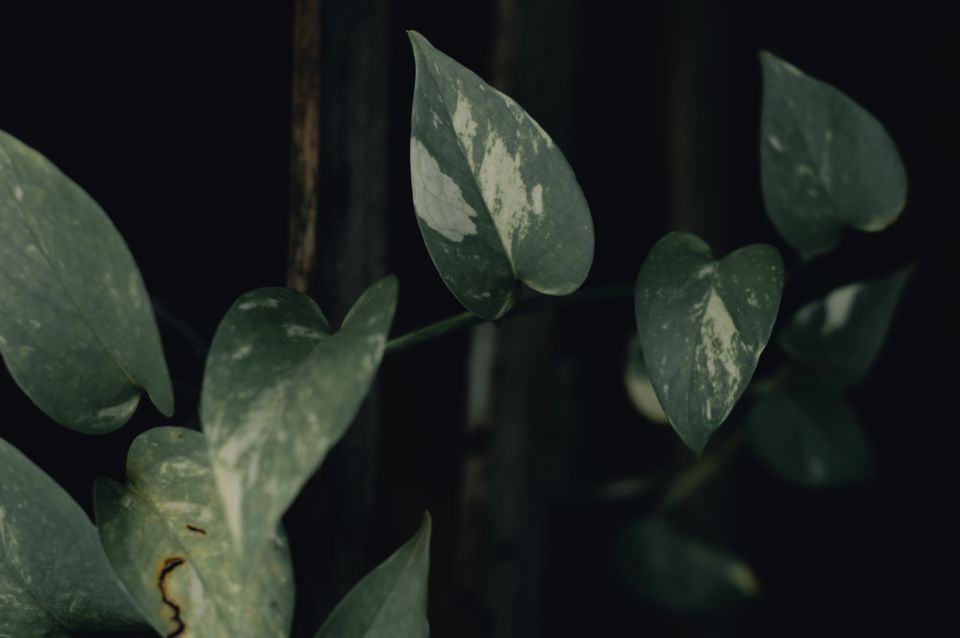
- Pothos and philodendron
- Snake plant
- ZZ plant
- Monstera
- Peace lily
- Aloe vera
- Dieffenbachia (dumb cane)
- Jade plant
If you already own some of these, keep them on high shelves or in hanging planters well out of reach. Check the ASPCA’s toxic and non-toxic plant database for anything not on this list.
How to stop pets from chewing plants
- Hang plants or place them on tall stands and high shelves
- Offer cat grass so cats have something they’re allowed to chew
- Cover the soil with large stones or a grid to stop digging
- Redirect playful pets with toys, especially young cats who bat at moving leaves
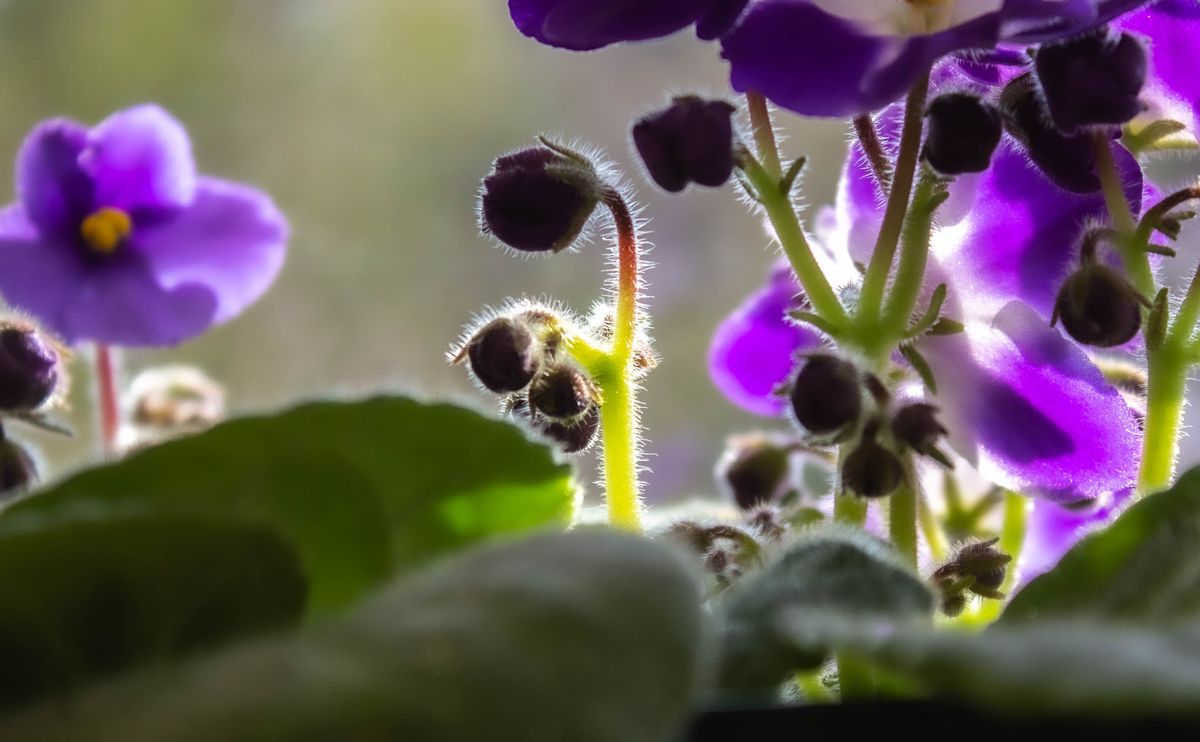
Looking for more easy plants? See our easy indoor plants for beginners and hanging plant ideas for keeping greenery up and out of reach.
Worth buying for a pet-friendly plant home
-
Ceiling hook and hanging planterMost useful
The simplest way to keep any plant away from curious paws. A crochet or macrame hanger adds a cozy touch.
-
Pot-top grid or decorative stones
Stops cats digging in the soil or using a big pot as a litter box.
-
Cat grass kit
Gives cats something they're allowed to chew, which often keeps them away from your other plants.
-
Tall plant stand
Lifts plants above the reach of dogs and most cats.
Frequently asked questions
What houseplants are safe for cats?
Plants listed as non-toxic to cats by the ASPCA include spider plant, calathea, Boston fern, peperomia, parlor palm, African violet, ponytail palm, haworthia, prayer plant and Christmas cactus.
Are snake plants safe for cats and dogs?
No. The ASPCA lists snake plant as toxic to cats and dogs. Chewing it can cause nausea, vomiting and diarrhea. Keep it out of reach or choose a non-toxic alternative such as a ponytail palm.
Which houseplants are most dangerous to cats?
True lilies (Lilium and Hemerocallis species, such as Easter lilies and daylilies) are extremely dangerous to cats: even small amounts, including pollen or vase water, can cause kidney failure. Sago palm is very dangerous to both cats and dogs. Keep these out of pet homes entirely.
Why does my cat eat my spider plant?
Many cats love chewing spider plants, likely because of the grassy texture and mild compounds in the leaves. It's non-toxic, but eating a lot can still cause an upset stomach. Hanging the plant and offering cat grass usually helps.
What should I do if my pet eats a toxic plant?
Contact your vet or an animal poison hotline right away, such as the ASPCA Animal Poison Control Center at (888) 426-4435 in the US. Have the plant's name ready, or take a photo of it.
Photo credits
Thank you to Magda Ehlers, Natalia Sevruk, Jardín De Neko, Joshua Mcknight, Pedro Hypólito, Engin Akyurt, Anna Bondarenko and Eftodii Aurelia for sharing these photographs.