9 Easy Indoor Plants for Beginners (That Are Hard to Kill)
The easiest houseplants for beginners, chosen for real homes: how much light and water each one needs, what goes wrong, and which are safe for pets.
If you’ve killed a plant or two before, you’re in good company. Most beginner plant deaths come down to the same three things: too much water, not enough light, and no drainage. Choose plants that forgive those mistakes, and you’ll be surprised how green your home can get.
These nine plants are the ones we recommend to friends who swear they have a “black thumb”. Each one is easy to find, inexpensive and tough.
Before you buy: the three beginner rules
- Match the plant to your light. Look at where the plant will live first, then choose. A sun-loving plant in a dark corner will fail no matter how well you water it.
- Use pots with drainage holes. If you love a pot without one, keep the plant in its plastic nursery pot inside it.
- Check the soil before watering. Push a finger in. Dry? Water thoroughly. Still damp? Wait.
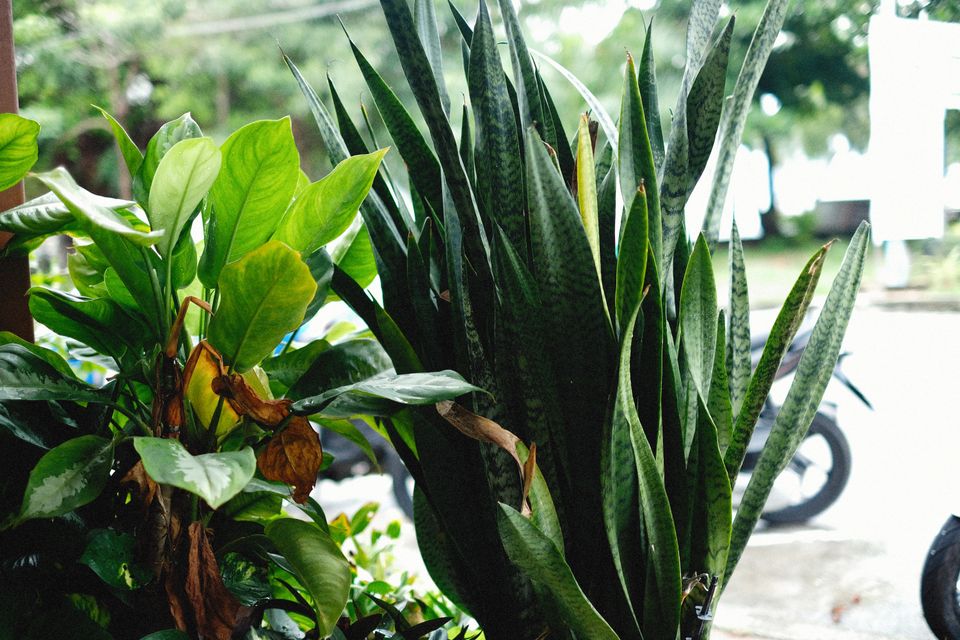
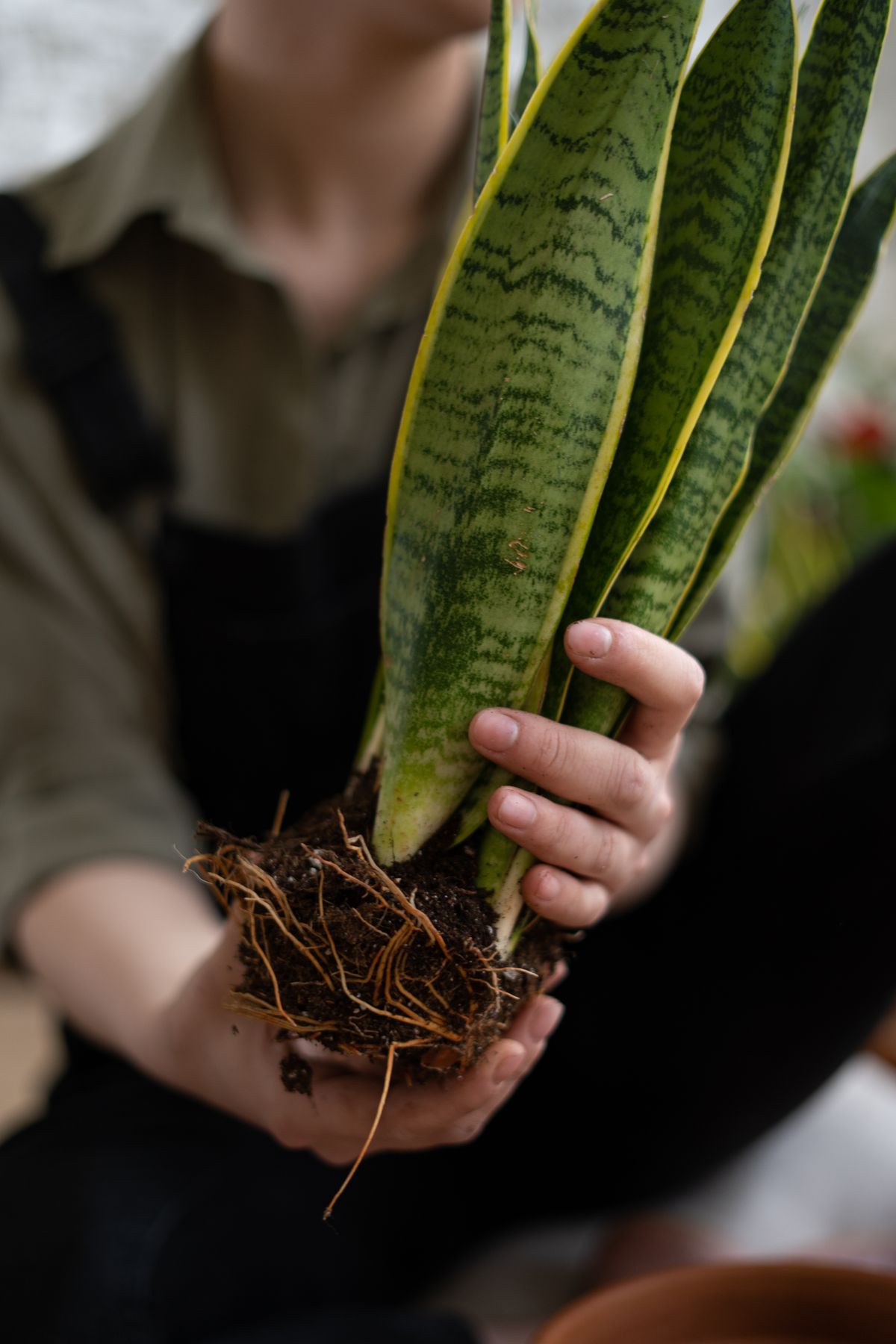
1. Snake plant
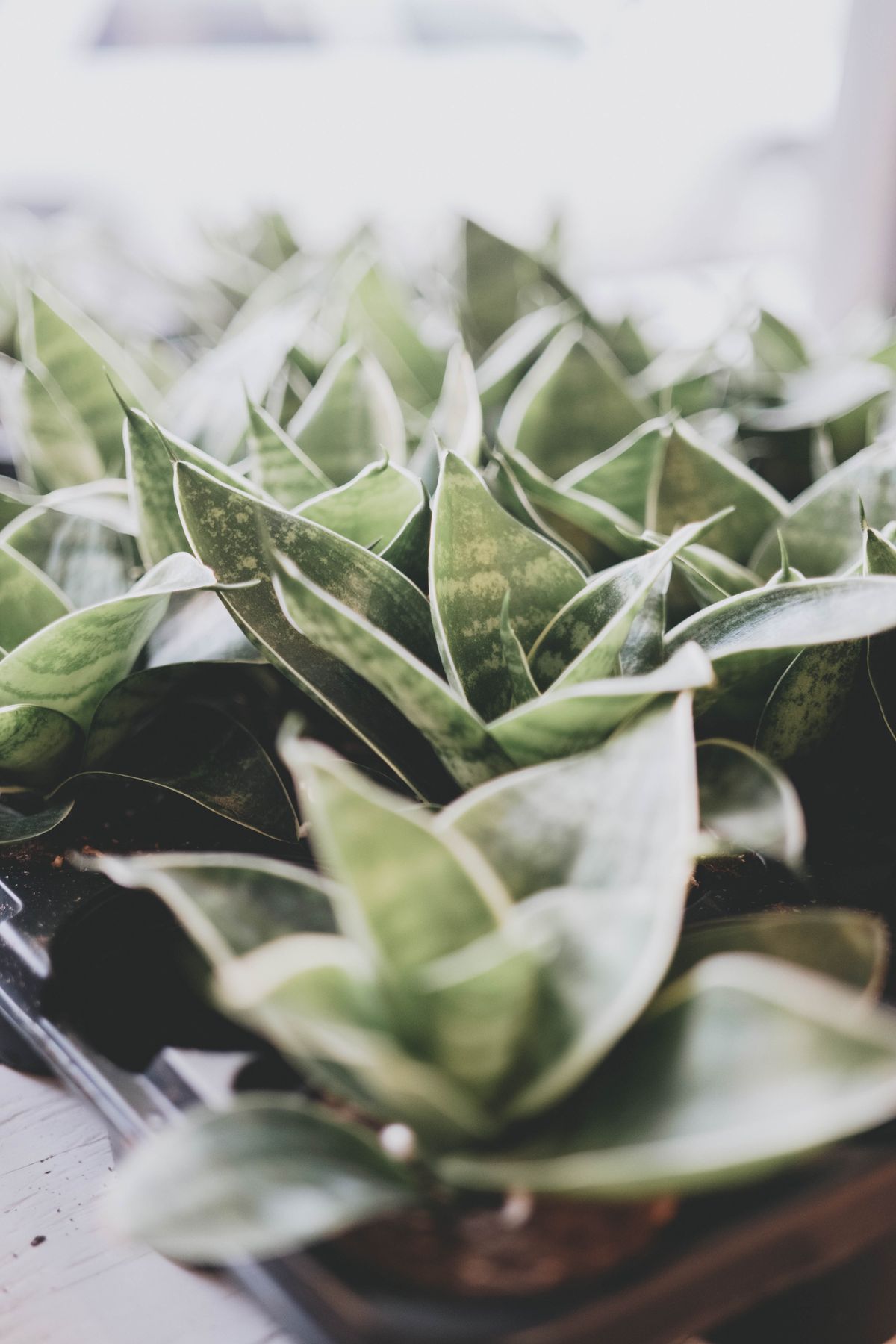
If you want one plant that’s almost impossible to kill, this is it. The snake plant’s upright, sword-shaped leaves store water, so it shrugs off weeks without attention.
- Light: low to bright; tolerates some direct sun
- Water: every 2 to 4 weeks, when the soil is completely dry
- Pets: toxic to cats and dogs
- Beginner mistake: watering it like other plants. Less is more.
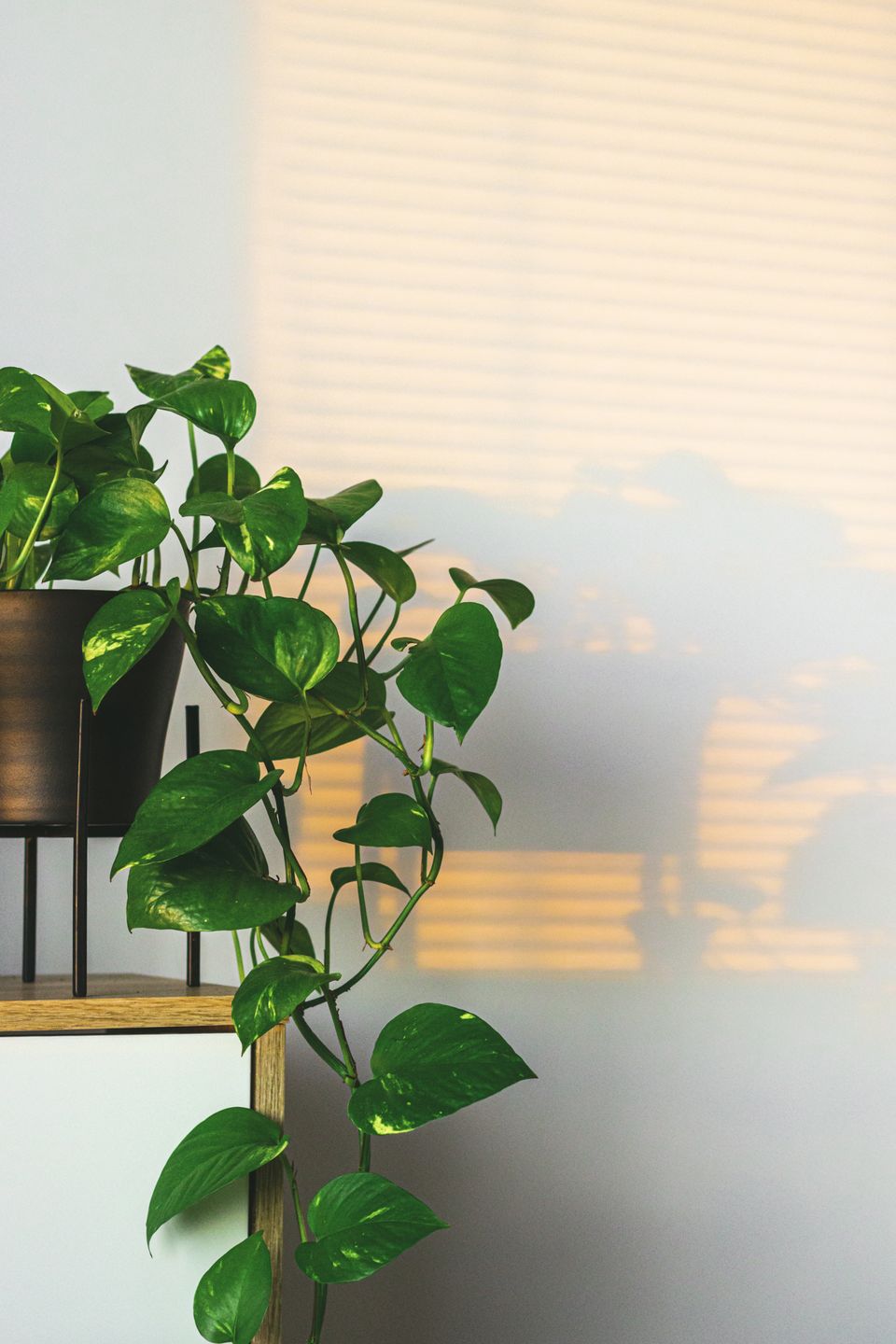
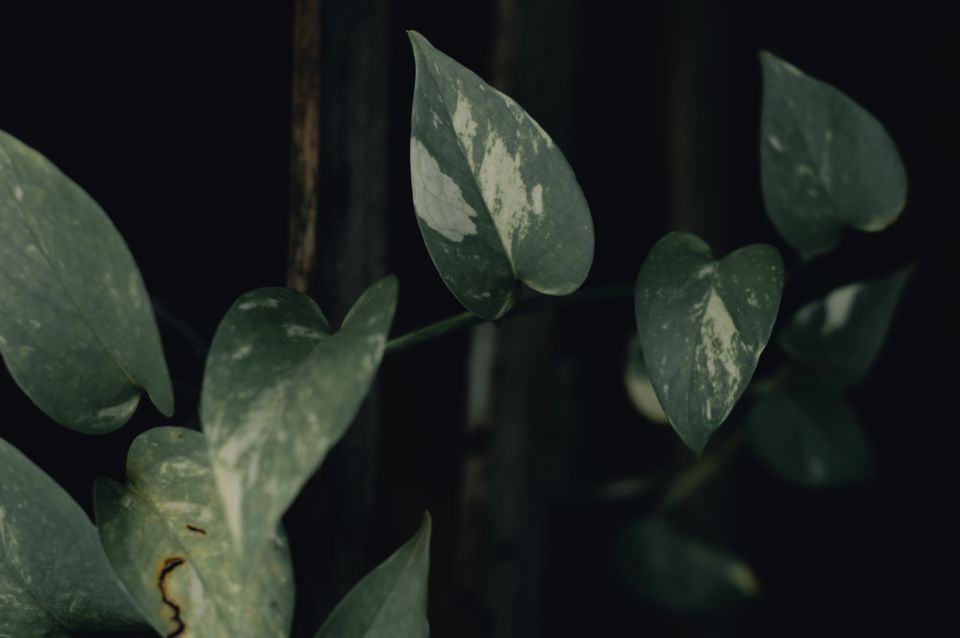
2. Pothos
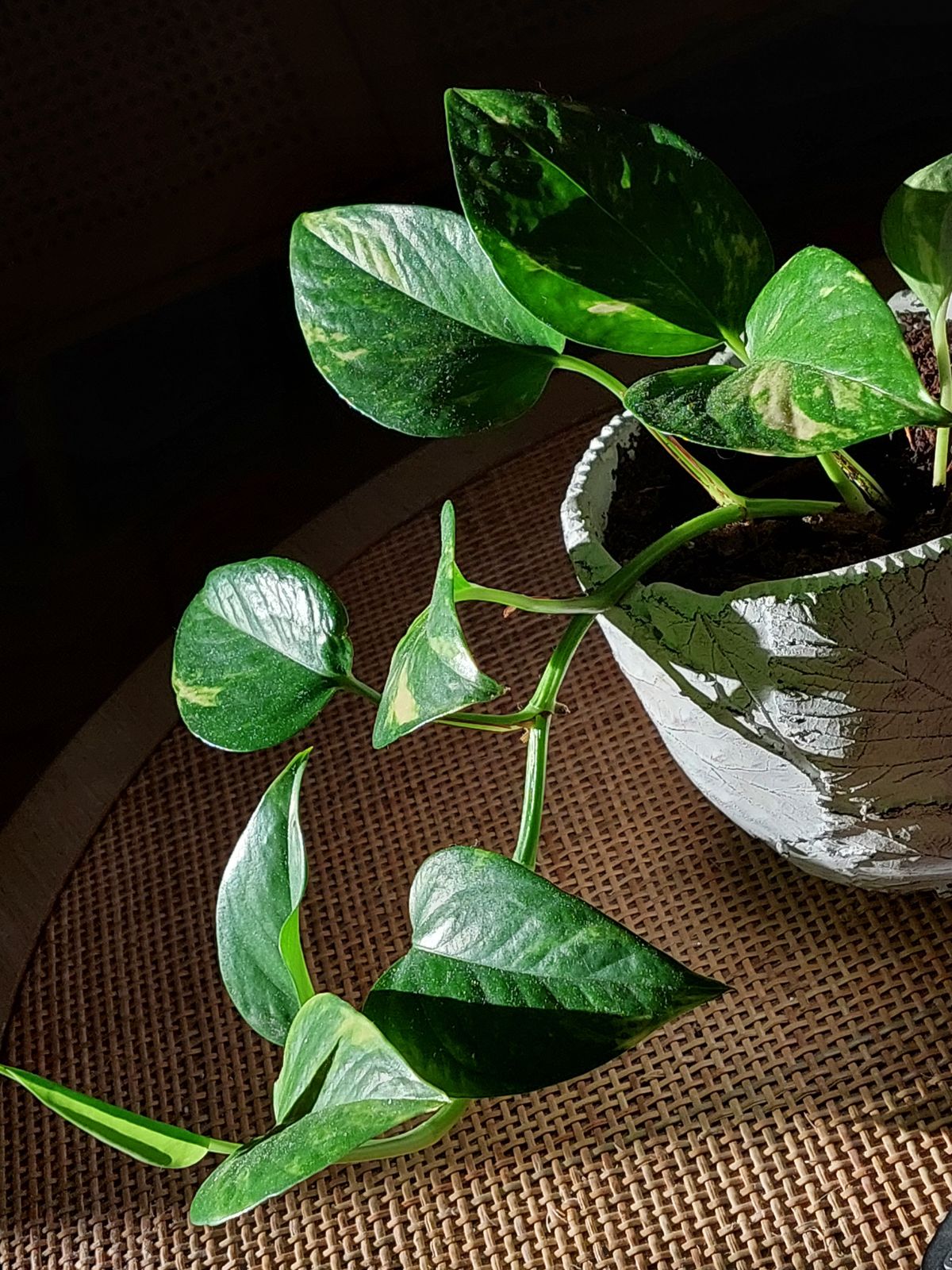
Pothos grows quickly, trails beautifully and tells you clearly when it’s thirsty (the leaves droop a little). It’s also the easiest plant to propagate: snip a piece, put it in water, and it roots.
- Light: low to bright indirect light
- Water: when the top 1 to 2 inches are dry
- Pets: toxic to cats and dogs
- Beginner mistake: keeping it in a dark corner, then wondering why it’s leggy
Our full pothos care guide covers yellow leaves, pruning and propagation.
3. ZZ plant
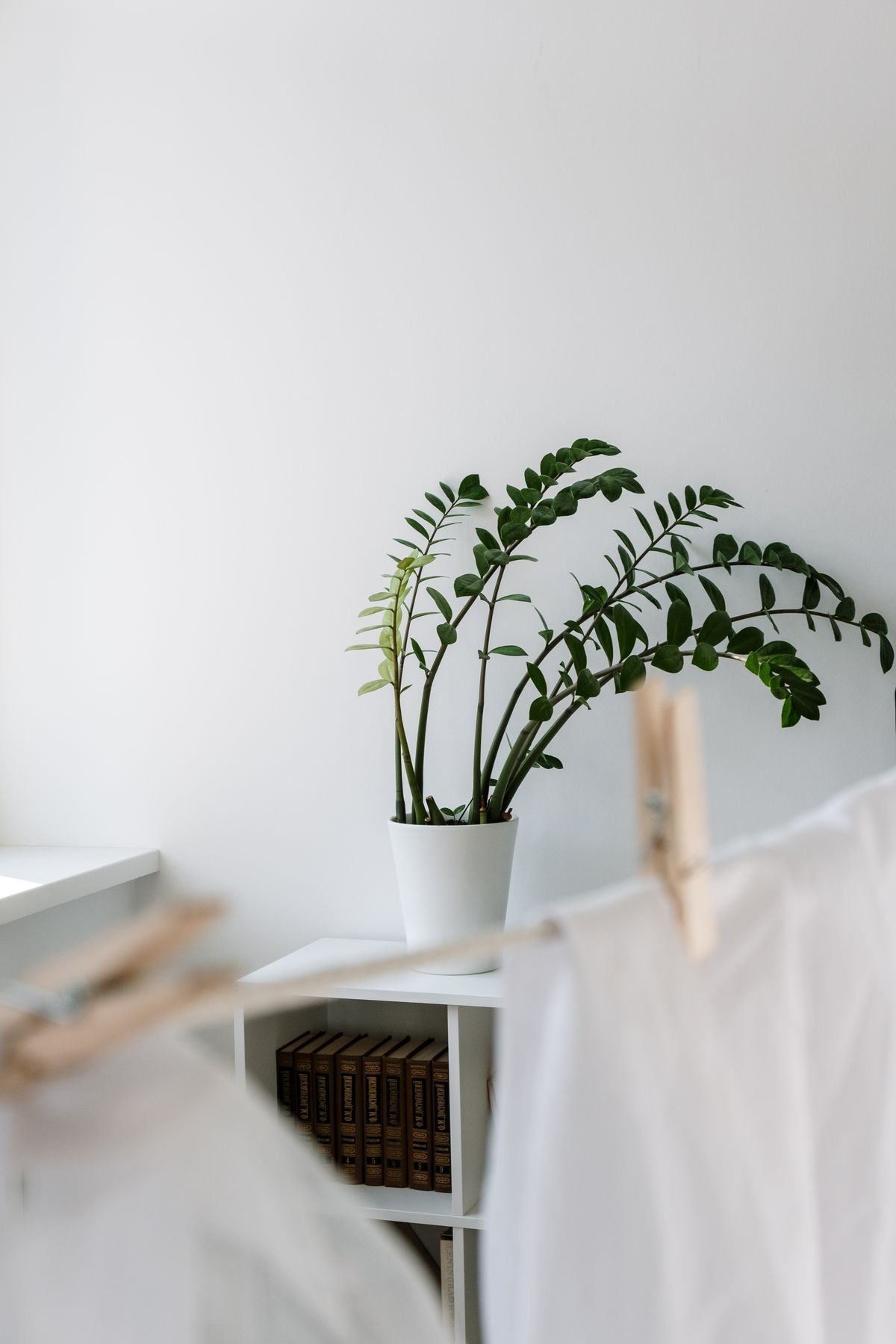
Glossy, architectural and extremely drought tolerant, the ZZ plant grows from potato-like rhizomes that hold water for weeks. It looks great on a shelf or a side table.
- Light: low to bright indirect light
- Water: every 2 to 3 weeks, when the soil is dry all the way through
- Pets: toxic to cats and dogs
- Beginner mistake: overwatering, which shows up as yellow stems
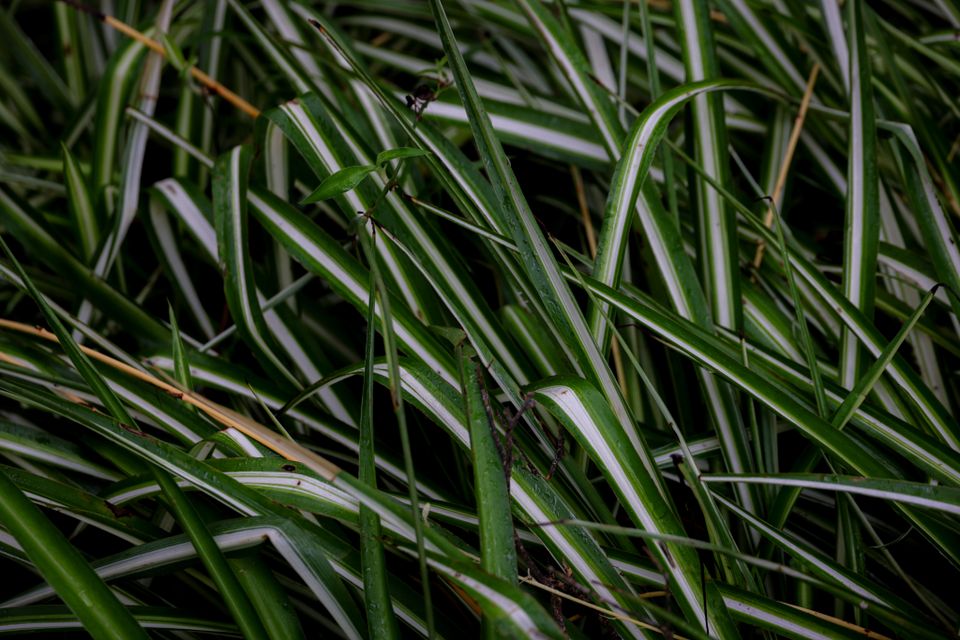
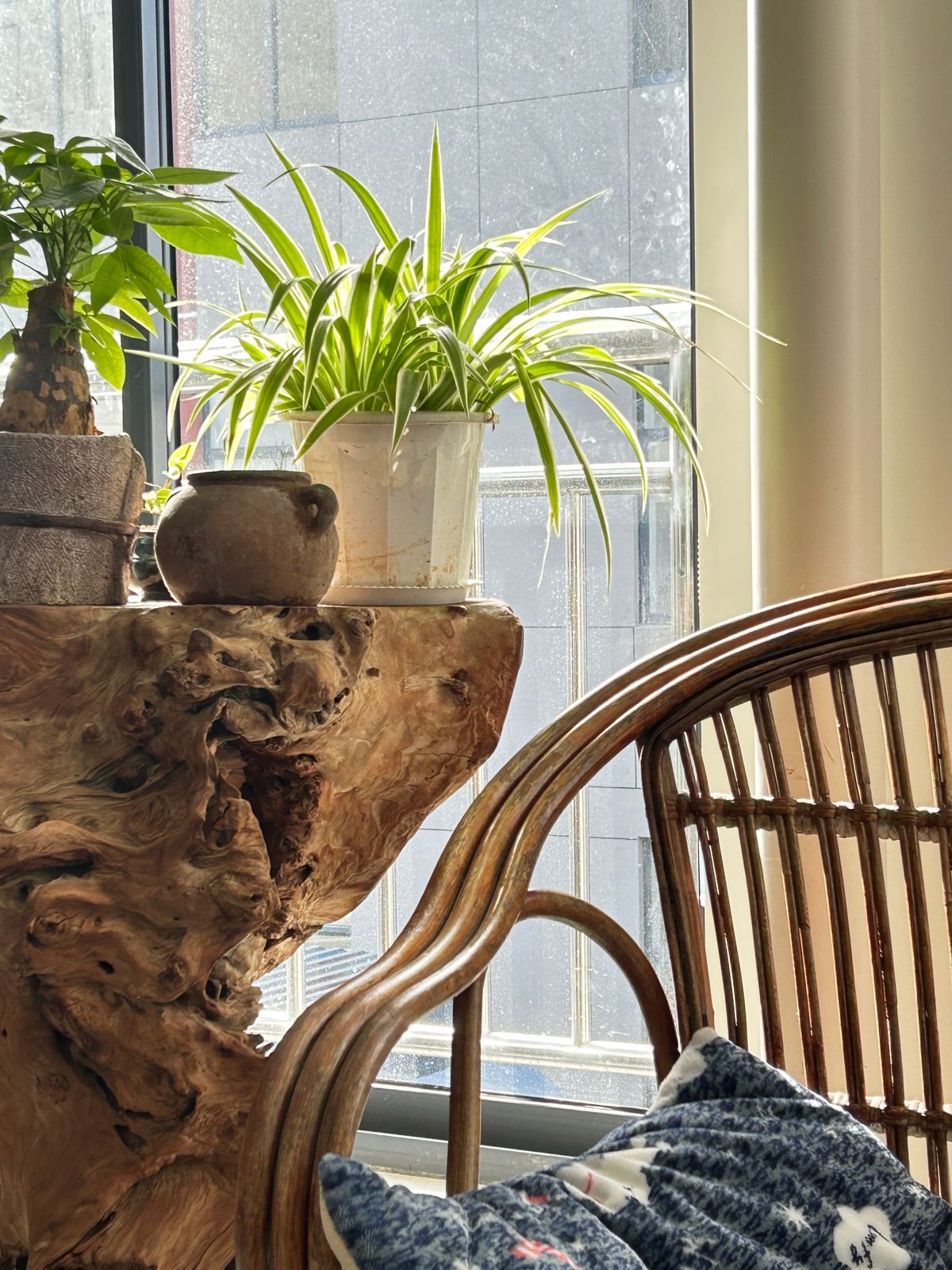
4. Spider plant
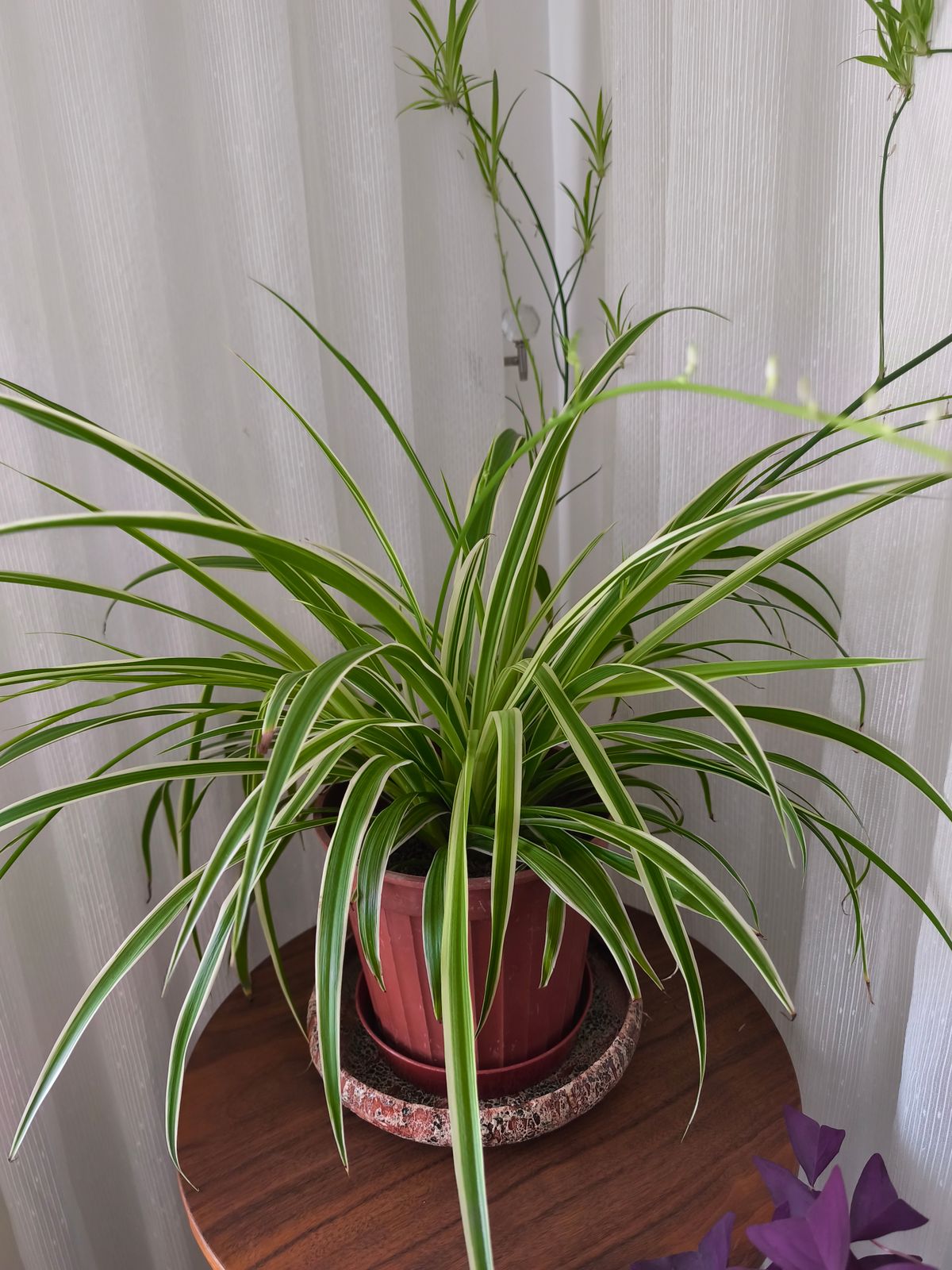
Cheerful, fast-growing and pet-safe, the spider plant sends out little baby plants on long stems. Pot them up and you have free plants to give away.
- Light: medium to bright indirect light
- Water: when the top inch is dry
- Pets: non-toxic to cats and dogs (ASPCA)
- Beginner mistake: brown tips are common and mostly cosmetic. They’re often caused by tap water minerals or dry air. Just trim them.
5. Monstera
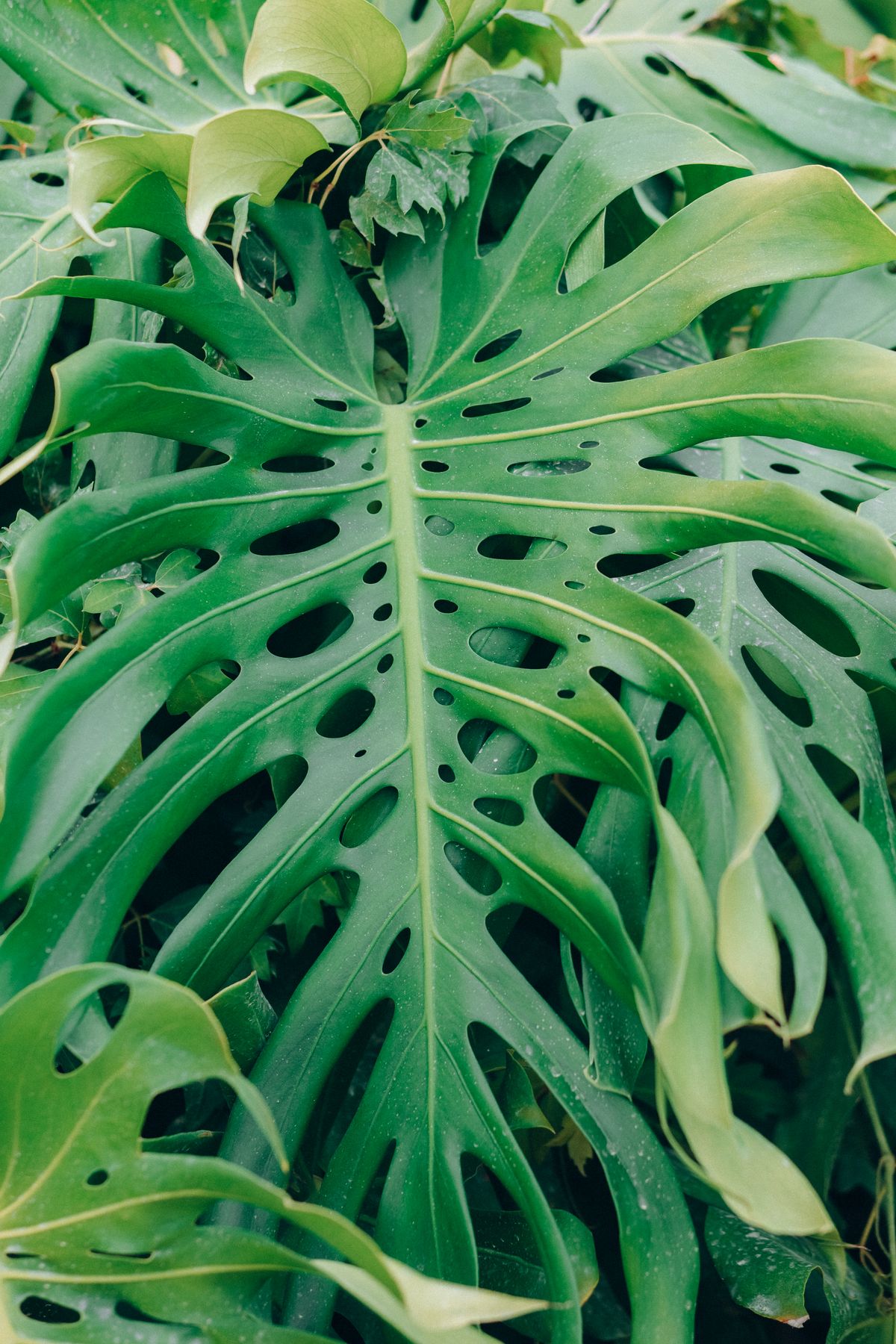
The monstera (Monstera deliciosa) is the plant everyone wants, and it’s easier than its dramatic leaves suggest. Give it room and bright light, and it grows big and fast.
- Light: bright indirect light; it survives in less, but won’t develop the famous splits
- Water: when the top 2 inches are dry
- Pets: toxic to cats and dogs
- Beginner mistake: not giving it something to climb. A moss pole or stake keeps it upright and encourages bigger leaves.
6. Rubber plant
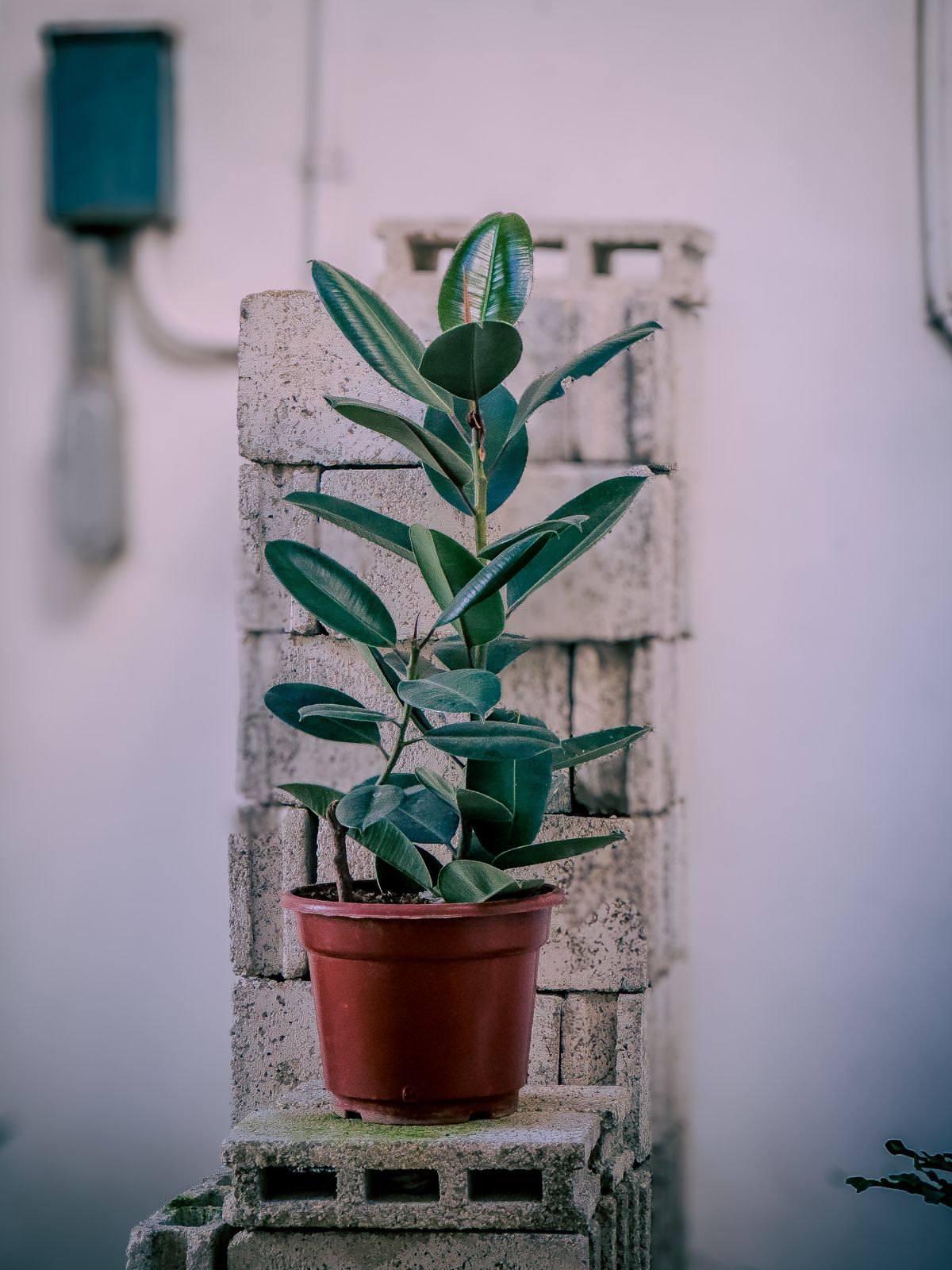
The rubber plant (Ficus elastica) has big, glossy leaves in deep green, burgundy or variegated cream and pink. It’s an easy way to get a statement floor plant.
- Light: bright indirect light; some gentle morning sun is fine
- Water: when the top 1 to 2 inches are dry
- Pets: toxic to cats and dogs
- Beginner mistake: moving it around. Like many ficus, it may drop leaves after a move, then settle in.
7. Heartleaf philodendron
Soft, heart-shaped leaves on trailing vines make this a perfect shelf or hanging plant. It’s very similar to pothos in care, with thinner, softer leaves.
- Light: low to bright indirect light
- Water: when the top inch or two is dry
- Pets: toxic to cats and dogs
- Beginner mistake: none really. It’s one of the most forgiving plants out there.
8. Aloe vera
Aloe is a succulent, so it wants the opposite of most houseplants: lots of light and very little water. On a sunny windowsill, it’s almost carefree.
- Light: bright light with some direct sun
- Water: every 2 to 3 weeks, when the soil is completely dry
- Pets: toxic to cats and dogs
- Beginner mistake: putting it in a dim spot, where it stretches and flops
9. Peace lily
Peace lilies are the drama queens of easy plants, in a helpful way: when they need water, the whole plant flops. Water it and it stands back up within hours.
- Light: medium indirect light; tolerates low light but flowers less
- Water: when the top inch is dry, or when it starts to droop
- Pets: toxic to cats and dogs
- Beginner mistake: letting it collapse too often. Occasional droops are fine; constant ones stress the plant.
Easy plants compared
| Plant | Light | Water | Pet-safe? |
|---|---|---|---|
| Snake plant | Low to bright | Every 2 to 4 weeks | No |
| Pothos | Low to bright indirect | Top 1 to 2 in. dry | No |
| ZZ plant | Low to bright indirect | Every 2 to 3 weeks | No |
| Spider plant | Medium to bright indirect | Top inch dry | Yes |
| Monstera | Bright indirect | Top 2 in. dry | No |
| Rubber plant | Bright indirect | Top 1 to 2 in. dry | No |
| Heartleaf philodendron | Low to bright indirect | Top 1 to 2 in. dry | No |
| Aloe vera | Bright, some sun | Every 2 to 3 weeks | No |
| Peace lily | Medium indirect | Top inch dry | No |
If you have cats or dogs, start with the spider plant and browse our full list of pet-safe houseplants. Living somewhere dark? Our low-light indoor plants guide has you covered.
Your first month as a plant parent
- Week 1: Leave the plant alone. Don’t repot it right away; let it adjust to your home.
- Week 2: Check the soil once or twice. Water only if it’s dry.
- Week 3: Look at the leaves. New growth is a great sign. Leaning toward the window? Turn the pot.
- Week 4: If it’s spring or summer, give a half-strength feed.
Once you’ve got a few plants growing happily, the fun part starts: decorating with them. See our tips on styling plants on shelves.
A beginner plant starter kit
Skip the gadgets. These few basics solve most beginner plant problems.
-
Plastic nursery pots inside decorative cover potsStart here
Drainage for the plant, style for the room. The single best beginner habit.
-
All-purpose indoor potting mix + a bag of perlite
Mix a few handfuls of perlite in for plants that like to dry out, like snake plants and ZZ plants.
-
Watering can with a narrow spout
Water goes on the soil, not the leaves or the floor.
-
Liquid houseplant fertilizer
Half strength, once a month in spring and summer. That's all most plants need.
-
Moisture meter
Takes the guesswork out of 'is it time to water?' while you learn.
Frequently asked questions
What is the easiest houseplant to keep alive?
The snake plant and the ZZ plant are generally the hardest to kill. Both store water, cope with low light and are happy to be forgotten for weeks. The most common way to kill them is overwatering.
How often should I water my houseplants?
There's no fixed schedule. Check the soil with a finger: most leafy houseplants want water when the top inch or two is dry, while succulents, snake plants and ZZ plants want the soil dry almost all the way through.
Why do my houseplants keep dying?
The three most common reasons are overwatering, too little light, and pots without drainage holes. Choosing plants that suit your light and letting soil dry between waterings fixes most problems.
Which easy houseplants are safe for pets?
From this list, the spider plant is listed as non-toxic to cats and dogs by the ASPCA. For more options, see our list of pet-safe houseplants, which includes parlor palm, peperomia and Boston fern.
Photo credits
Thank you to Alexey Demidov, Joshua Mcknight, Chloe RIOT, cottonbro studio, Celal Metin, PARTY MALL, Nataliya Vaitkevich and Arthur Uzoagba for sharing these photographs.